The Numbers Tell a Story About Where Gaming is Actually Heading
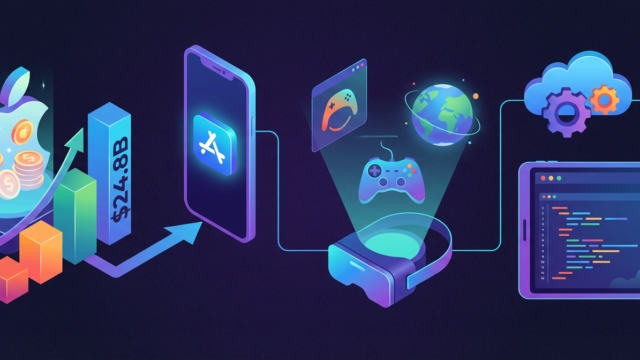
Apple just dropped their annual report and I’m sitting here absolutely losing my mind over these numbers because they reveal something massive about how game development is changing. The App Store pulled in $24.8 billion from gaming alone in 2025, which is a staggering 67% of all app revenue on the platform. But here’s what gets me excited: this isn’t just about money flowing through digital storefronts. This is concrete evidence that mobile gaming has fundamentally shifted from casual distraction to serious artistic medium, and the design implications are genuinely revolutionary.

When you dig into what’s driving these numbers, you start seeing patterns that show how developers are approaching game design with the kind of intentionality we used to only see in AAA console development. The Apple App Store gaming statistics show that players are moving toward experiences that use the unique strengths of mobile hardware rather than simply porting console concepts to smaller screens. This is a maturation of design philosophy that’s honestly incredible to witness.
What makes this revenue surge particularly fascinating from a design perspective is how it reflects player willingness to invest in mobile experiences that respect their intelligence and time. We’re seeing games succeed because they understand that mobile players aren’t looking for watered-down console experiences. They want something crafted specifically for the medium, something that acknowledges the unique relationship between player, device, and environment that mobile gaming creates.
Game Mode Pro is Quietly Revolutionizing How We Think About Performance Design
iOS 18.3 introduced Game Mode Pro and the technical improvements are absolutely bonkers in the best possible way. We’re talking about latency reductions of up to 35% and frame rate increases of 22% on iPhone 15 Pro devices, which sounds like incremental optimization until you realize what this means for game design possibilities. When you can reliably expect consistent performance across a specific hardware configuration, you can design experiences that would have been impossible just two years ago.
The design implications here run deeper than just “games run smoother now.” When developers can count on consistent performance parameters, they can craft experiences with precise timing, complex visual storytelling, and intricate mechanical interactions that require split-second responsiveness. Think about how fighting game designers obsess over frame data because every single frame matters for competitive integrity. Game Mode Pro brings that level of precision to mobile development, opening up entirely new categories of design possibilities.
What’s particularly brilliant about Apple’s approach is how Game Mode Pro doesn’t just boost raw performance metrics. It creates a stable foundation that allows developers to explore more ambitious design concepts without constantly worrying about optimization edge cases. This is the kind of infrastructure that enables genuine innovation because creative energy gets directed toward pushing boundaries rather than fixing fundamental technical limitations.
Vision Pro Gaming Revenue Shows Us the Future of Spatial Design
Here’s where things get absolutely wild: Apple Vision Pro gaming apps generated $340 million in their first year, with Horizon Worlds VR leading at $89 million. These numbers might seem modest compared to traditional mobile gaming revenue, but they represent something unprecedented in the history of interactive entertainment. We’re witnessing the birth of spatial game design as a legitimate commercial medium, and the early success stories are revealing design principles that will influence gaming for decades.
What makes Vision Pro gaming revenue so significant isn’t the raw numbers but what they tell us about player appetite for genuinely new interactive experiences. Spatial computing demands entirely different design thinking because traditional concepts like screen real estate, user interface hierarchy, and even basic interaction paradigms need complete reimagination. The developers succeeding in this space are the ones approaching spatial design as a unique creative challenge rather than trying to port existing game concepts into three-dimensional space.
The revenue success of these early Vision Pro titles demonstrates that players will absolutely invest in experiences that couldn’t exist on any other platform. This validates the design philosophy that great games emerge from understanding and exploiting the unique strengths of their target hardware rather than chasing universal compatibility.
Development Costs Are Skyrocketing But Design Quality is Following
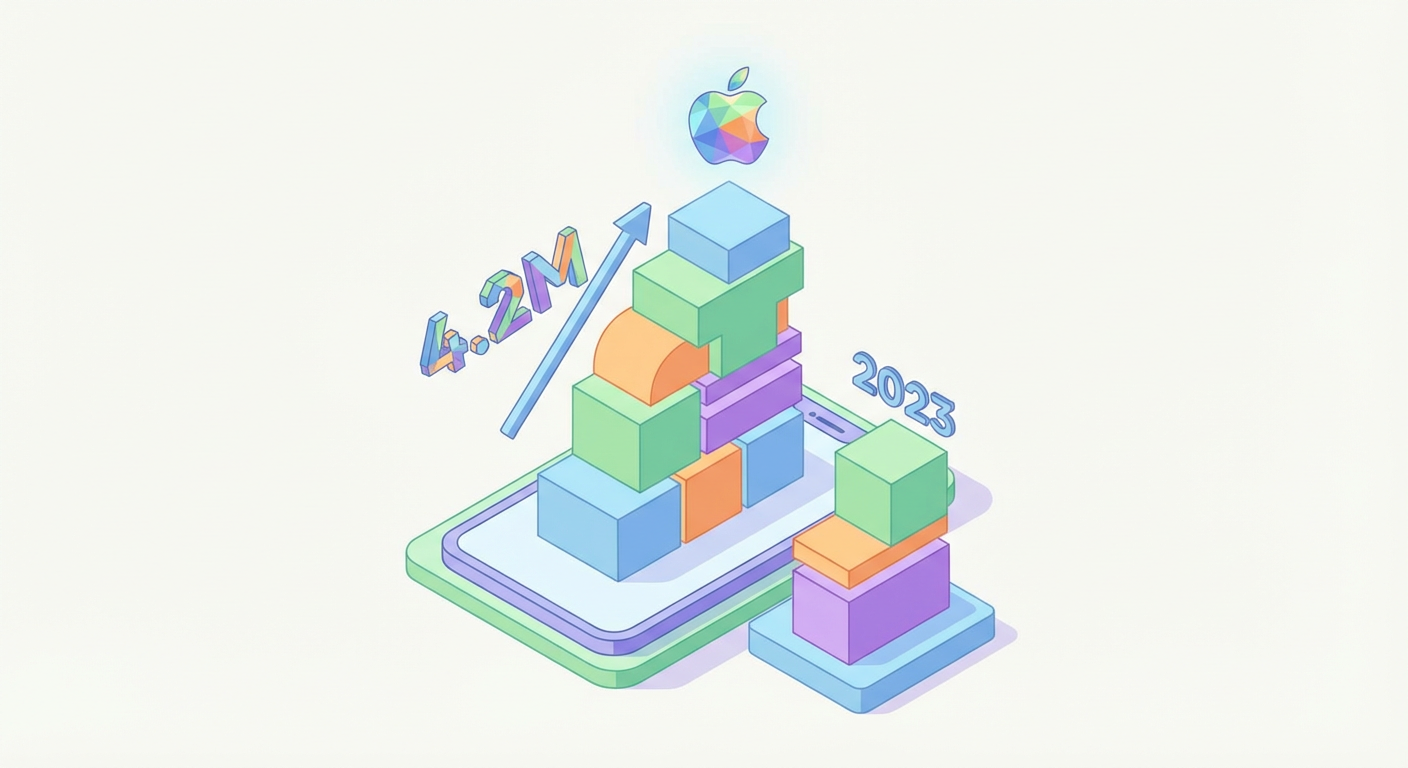
The average iOS game now costs $4.2 million to develop, representing a 156% increase from 2023, largely due to Apple’s enhanced graphics requirements. Before you panic about indie development becoming impossible, consider what this cost increase actually represents: a fundamental elevation in the baseline quality expectations for mobile gaming. This isn’t arbitrary feature bloat driving up costs. This is the natural evolution of a medium reaching artistic maturity.
What’s happening here parallels the evolution of film production in the transition from silent movies to talkies, or the shift from 2D to 3D animation in major studios. The technical requirements are increasing because the creative possibilities are expanding, and players are responding enthusiastically to experiences that use these new capabilities thoughtfully. The developers succeeding in this environment are the ones who understand that higher production values aren’t about showing off technical prowess but about creating more emotionally resonant player experiences.
The Unity mobile development survey reveals that 73% of developers plan to integrate Vision Pro compatibility by Q3 2026, which tells us that this cost increase isn’t temporary market adjustment. This is the new baseline for serious mobile game development, and the studios adapting successfully are treating it as an opportunity to push creative boundaries rather than a financial burden to minimize.
The Design Philosophy Revolution Hidden in These Numbers
What absolutely blows my mind about these trends is how they reveal a fundamental shift in how developers approach mobile game design. We’re moving away from the “good enough for mobile” mentality toward something much more sophisticated: platform-specific design excellence. The revenue numbers prove that players can absolutely tell the difference between games designed specifically for iOS and games that treat mobile as an afterthought platform.
This evolution represents something larger than technical advancement or market growth. We’re witnessing the emergence of mobile gaming as a distinct artistic medium with its own design languages, aesthetic principles, and creative possibilities. The financial success follows naturally from this creative maturation because players respond enthusiastically to experiences that respect both the platform and their intelligence.
The intersection of technical capability improvements, spatial computing possibilities, and elevated production values is creating a perfect storm for innovative game design. Developers who understand this moment and approach it with genuine creative ambition rather than pure commercial calculation are going to define the next decade of interactive entertainment. What trends are you most excited to see emerge from this shift toward serious mobile game design?