
The Launch Nobody Expected to Actually Happen This Year
Okay, so VALORANT Mobile is officially real. Not coming soon. Not in development. Actually, legitimately live in select markets across Asia right now. We all need to take a step back and understand what just happened, because Riot Games didn’t just drop another mobile game into an oversaturated market. They launched a precision strike into the exact moment when mobile esports was primed to explode. The Philippines and Indonesia got the first taste in late 2025, and the pre-registration numbers alone should tell you where this is headed. Over 5 million people signed up before they could even touch the game. Five million. That’s not hype building. That’s a movement forming.

Think about what those numbers actually mean for a second. We’re not talking about casual downloads or people who saw a YouTube ad and thought maybe they’d check it out. These are committed players who went out of their way to reserve a slot in a tactical shooter on mobile. They cleared space on their phones. They thought about it. They committed. That behavioral signal is worth more than any marketing campaign could deliver, and it tells us that appetite for VALORANT on mobile has been waiting for years.
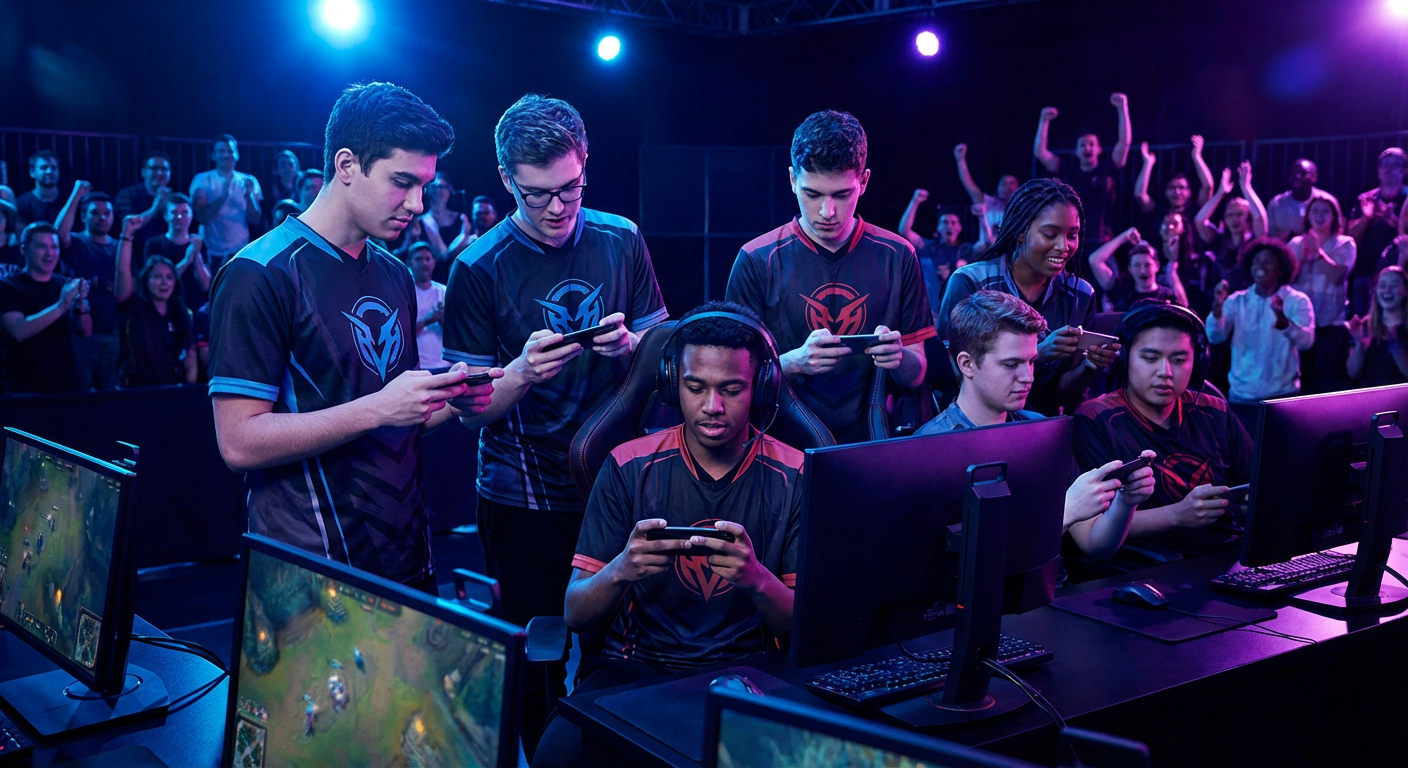
The Market Timing Is Almost Absurdly Perfect
Here’s where the tier-ranking system of esports markets comes into play, and this is where the hierarchy matters. Global mobile esports is projected to hit 4.6 billion dollars by 2026 according to the Grand View Research mobile esports market report. That number gets thrown around a lot, but let’s translate it. That’s a market growing faster than traditional esports ever did. Infrastructure, sponsorships, tournament circuits, and career paths are all coalescing around mobile right now. And Southeast Asia? That’s the S-tier growth region. It’s not even close. The fastest-growing regional segment by a margin that honestly looks unfair when you see the data mapped out.
Tencent, which owns Riot, has been watching this space carefully. When Q3 2025 rolled around, their earnings report showed mobile gaming revenue from Southeast Asia growing 31 percent year-over-year, with tactical shooters leading that charge. Thirty-one percent. In a market that was already accelerating. That’s not normal growth. And now VALORANT Mobile is entering that exact ecosystem at peak velocity. The timing isn’t coincidental. It’s calculated.
Why Mobile Legends’ Championship Numbers Matter More Than You Think
Let’s talk about the benchmark Riot is explicitly targeting. Mobile Legends: Bang Bang ran their M6 World Championship in 2024 and pulled in over 13 million peak concurrent viewers globally. Thirteen million people watching mobile esports simultaneously. Not sequentially. Not over the course of a tournament. At the same moment. If you’ve been around competitive gaming long enough, you know that number is elite. That’s League of Worlds territory. That’s the kind of viewership that makes traditional sports networks take notice and sponsors start writing massive checks.
Here’s the analysis that everyone needs to internalize: Mobile Legends had an established ecosystem, regional favoritism, and years of tournament infrastructure already built. VALORANT Mobile is entering a space where it can leverage the existing PC player base as a foundation, tap into an entirely new audience of players who can’t access PC gaming, and benefit from the ecosystem maturity that mobile esports has reached in 2025. Mobile Legends proved 13 million concurrent viewers are possible on mobile. VALORANT Mobile is built to surpass that number because it’s starting from a stronger foundational position.
The Addressable Audience Math Is Almost Overwhelming
Here are the numbers that should make traditional esports analysts genuinely nervous. VALORANT on PC sits at 22 million monthly active players according to Riot’s 2024 annual report. That’s a massive, established base. Now, internal projections cited by industry observers suggest mobile could double the addressable audience within 18 months of full global launch. Double it. We’re potentially talking about 44 million monthly active players across all platforms within the next year and a half. That’s not just growth. That’s transformation at a scale most games never achieve.
Think about what that means for ranking these games in the esports hierarchy. You’re looking at a franchise shooter that could legitimately claim the largest player base of any competitive game on the planet within 18 months. PC VALORANT’s esports scene has already proven this game translates into compelling competitive content. The economy works. The meta evolves in interesting ways. The skill ceiling is genuinely astronomical. Now take that exact recipe and make it accessible to the 4 billion people on mobile devices globally. That’s a fundamental reshuffling of which games matter in esports.
Why the Skeptics Are Wrong (And Why It Matters to Listen to Them)
Yes, the mobile port could be a disaster. Yes, VALORANT’s complexity could get lost in translation to smaller screens. Yes, latency on mobile networks could break the competitive integrity that makes the game work. Those concerns aren’t bad takes. They’re legitimate technical worries that deserve respect. But here’s where the tier ranking shifts everything: Riot didn’t accidentally stumble into this launch window. They’ve been developing VALORANT Mobile for years. They’ve already solved the core technical problems, or they wouldn’t be live in multiple markets. The regional partnerships in Southeast Asia suggest that the infrastructure is actually holding up against real player stress testing.
The counterargument to the skeptics isn’t that they’re wrong to worry. It’s that they’re underestimating Riot’s execution capability. This is a company that built League of Legends into the most successful competitive game franchise in history. They don’t make strategic market decisions lightly. When they choose to launch VALORANT Mobile in Southeast Asia first, they’re deploying into the region most likely to validate their strategic thesis. If it works there, it’s proof of concept for the entire globe.
For the latest official information on VALORANT Mobile’s development and regional rollout, check out the Riot Games official VALORANT news hub where they publish updates as regional launches expand. The esports community is watching this space intensely right now, and every announcement carries weight for how we think about competitive gaming’s future. What’s your take on mobile esports integration? Are you planning to grind ranked on mobile whenever it hits your region?