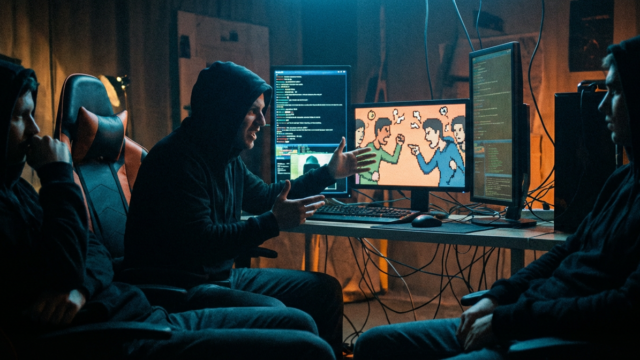
When Drama Actually Built Communities
Remember when gaming drama used to bring us together instead of tearing us apart? I know that sounds backwards, but hear me out. Back in the early 2000s, when someone posted a 47-page forum rant about how Marth was ruining competitive Melee, the entire community would rally around dissecting every frame data argument and hitbox complaint. We’d spend hours in those flame wars, but somehow we all walked away knowing more about the game and genuinely respecting each other’s passion, even when we thought their tier list opinions were absolutely unhinged.

The drama felt different because it came from genuine love for the games themselves. When players like Isai would sandbag with low-tier characters and still demolish tournaments, the resulting community meltdowns weren’t about personal destruction or cancel culture. They were about pushing the boundaries of what we thought was possible within the game’s systems. Those heated debates about whether wobbling should be banned in Melee weren’t just rule lawyering. They were philosophical discussions about the soul of competitive play wrapped in the language of frame traps and infinite combos.
Looking back, what made those early dramas special wasn’t the arguments themselves, but how they forced us to explain why we cared so deeply about seemingly trivial mechanical details. When someone would post a essay-length breakdown of why Ken’s playstyle was “destroying the purity of Marth,” you knew you were about to read something that would make you think differently about neutral game positioning, even if you disagreed with every single conclusion.

The Golden Age of Forum Flame Wars
Those old gaming forums were absolute battlegrounds, but they operated under unwritten rules that kept the chaos productive. You couldn’t just drop a hot take and disappear into the ether like you can with modern social media. If you wanted to claim that Akuma was secretly mid-tier in Third Strike, you better come prepared with frame data, matchup charts, and probably a few tournament results to back up your madness. The format demanded substance, even when that substance was being delivered through the most unnecessarily aggressive language possible.
The beautiful thing about those marathon forum threads was how they evolved organically from simple complaints into comprehensive game analysis. Someone would start with “This character is broken and here’s why,” and three hundred replies later, you’d have a community-generated strategy guide that covered option selects, spacing tricks, and psychological conditioning that most official game guides never touched. The drama was just the vehicle for collective learning, even when it felt like we were all trying to murder each other with words.
What’s fascinating is how those communities policed themselves without heavy-handed moderation. Sure, things got heated, but there was an understanding that if you brought weak arguments to a strong opinion fight, you were going to get educated in the most brutal way possible. That social pressure actually raised the overall quality of discussion, because nobody wanted to be the person who got their argument dismantled in front of two thousand lurkers.
The drama also worked as an informal ranking system for community knowledge. When a respected player would enter a heated debate, their words carried weight not because of follower counts or social status, but because everyone knew they could back up their theories in actual matches. There was something pure about how in-game skill translated directly to credibility in discussions, creating a meritocracy based on understanding rather than popularity.
When Everything Became Personal
Somewhere along the way, gaming drama stopped being about the games and started being about the people playing them. The shift was gradual but devastating. Instead of arguing about whether Street Fighter 4’s Focus Attack system was fundamentally changing the neutral game, we started focusing on whether certain players deserved to win based on their personal lives or political opinions. The mechanical discussions that used to define our communities got replaced by social media pile-ons that had nothing to do with frame data or tier lists.
The rise of streaming culture accelerated this change in ways that still make my head spin. Suddenly, every minor disagreement between content creators became community-wide drama that demanded you pick a side. Where we used to debate whether Zangief’s command grabs were too strong in specific matchups, now we were expected to have opinions about streamers’ personal relationships or business decisions. The games themselves became secondary to the personalities playing them, and our collective focus shifted from improving our play to defending our favorite content creators.
Social media algorithms made everything worse by rewarding the most inflammatory takes and burying thoughtful analysis under mountains of quote tweets and reaction videos. The slow-burn forum discussions that used to develop over weeks got replaced by viral moments that demanded immediate emotional responses. There’s no room for nuanced takes about game balance when everything has to fit in a tweet and generate maximum engagement within the first hour of posting.
What We Lost in Translation
The most tragic casualty of modern gaming drama is how it’s killed our willingness to be wrong about things. In those old forum wars, getting completely destroyed in an argument about neutral game theory was just Tuesday. You’d lick your wounds, lab some new setups, and come back with better information. Now, every minor disagreement about game balance feels like it could define your entire online reputation, so people double down on bad takes instead of admitting they might have missed something important.
We also lost the communal aspect of building knowledge together through conflict. When someone would post a controversial tier list in 2005, the resulting chaos would generate dozens of detailed responses that collectively created a more complete picture of the game’s meta. Everyone contributed something, even if it was just pointing out a specific matchup detail that the original poster had overlooked. Modern drama tends to be more about amplifying existing opinions than generating new insights.
The death of long-form discussion has been particularly painful. Those 20-page forum threads about whether certain techniques should be considered exploits had more genuine game analysis than most modern YouTube videos about the same topics. We’ve traded depth for speed, and while information spreads faster now, it rarely sticks around long enough to evolve into something more sophisticated than the initial hot take.
Finding the Good Drama Again
Not all modern gaming drama is terrible, and some communities have managed to preserve the spirit of those old productive arguments. Look at how the Guilty Gear community discusses character balance changes, or how speedrunning communities handle routing disputes. When the focus stays on the game systems themselves rather than personal grievances, we can still generate those beautiful deep-dive discussions that make everyone better at understanding what they’re playing.
The key difference is intentionality. The communities that avoid toxic drama cycles are the ones that actively redirect conversations back toward game mechanics, strategy development, and skill improvement. They’ve learned to channel disagreement into productive analysis rather than letting it spiral into personal attacks or social media mob justice.
Maybe what we really miss about old gaming drama isn’t the drama itself, but the shared assumption that we were all here because we loved these games enough to argue about them for hours. When that foundation exists, even the most heated disagreements can lead somewhere useful. Without it, we’re just yelling at each other for the sake of yelling, and nobody gets better at anything.
What do you think? Did the old forum flame wars actually teach us more about games than modern social media discussions, or am I just being nostalgic about getting roasted by teenagers with too much free time and frame data spreadsheets? Drop your thoughts in the comments, and maybe we can start the kind of productive argument that would make those old forum warriors proud.