The Unstoppable Force of Player Creativity
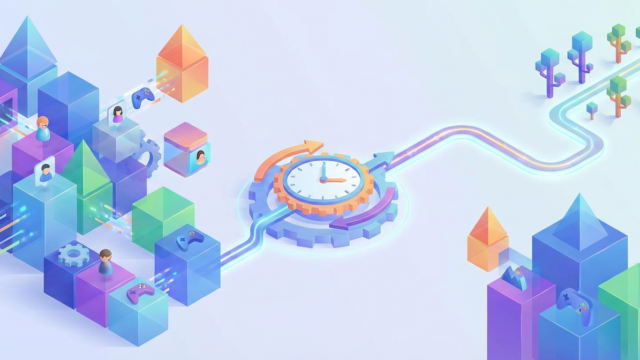
Walk into any gaming discussion about longevity and you’ll inevitably hear someone mention The Elder Scrolls V: Skyrim, a game that refuses to fade into obscurity despite launching over a decade and a half ago. What keeps players returning isn’t just Bethesda’s original vision, but the thriving ecosystem of over 100,000 community-created modifications that have completely changed how we think about a game’s lifespan. This goes way beyond a single title. It’s a major shift in how games achieve immortality through passionate communities.
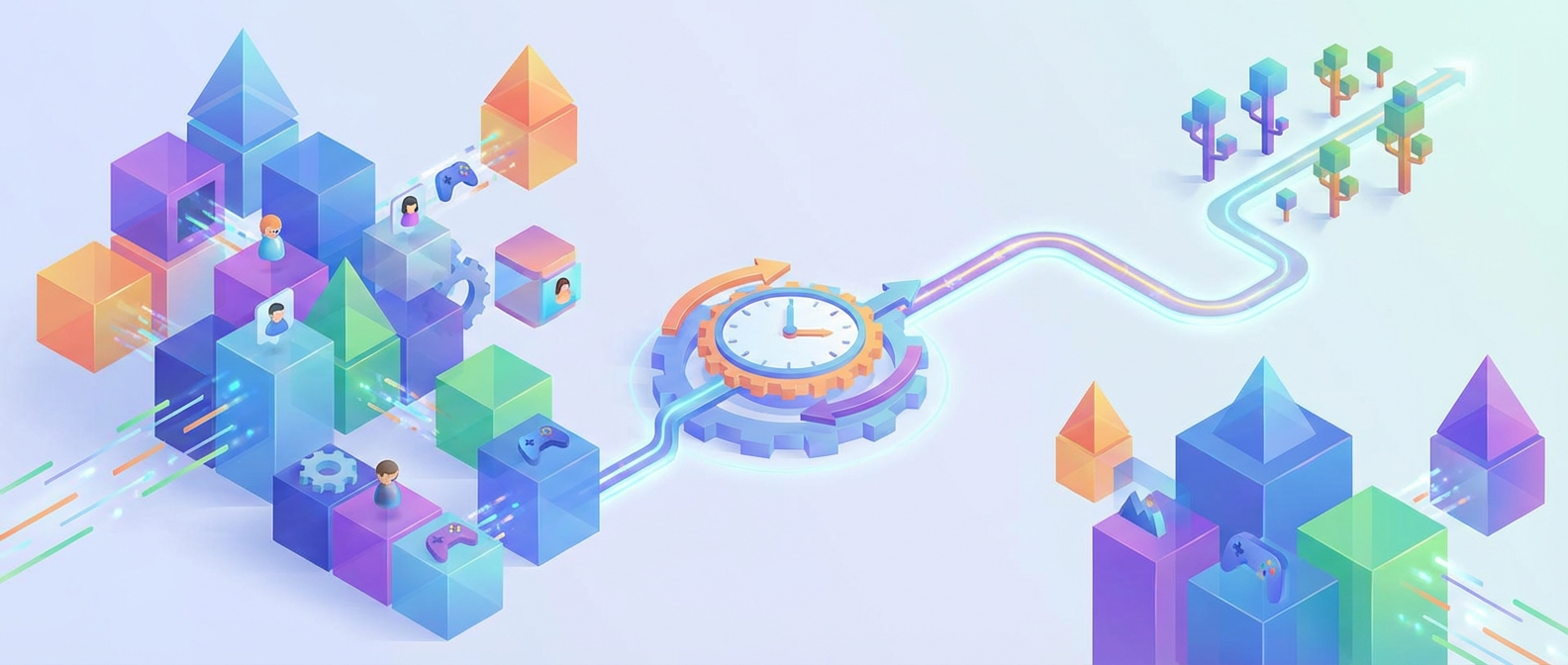
The numbers tell a story that traditional game development cycles simply can’t match. Most AAA titles see predictable player drop-offs months after release, but heavily modded games keep active populations for years or even decades. Minecraft is probably the best example here. Its modding community generates billions of downloads each year across platforms like CurseForge mod platform, turning a simple block-building game into something infinitely expandable.
We’re not just talking about enthusiast tinkering anymore. These are parallel development ecosystems that work with the efficiency and creativity of professional studios. Player-driven content creation can keep games alive far longer than any publisher roadmap ever imagined, and that’s challenging some pretty basic assumptions about product lifecycles in the gaming industry.
When Players Become Developers
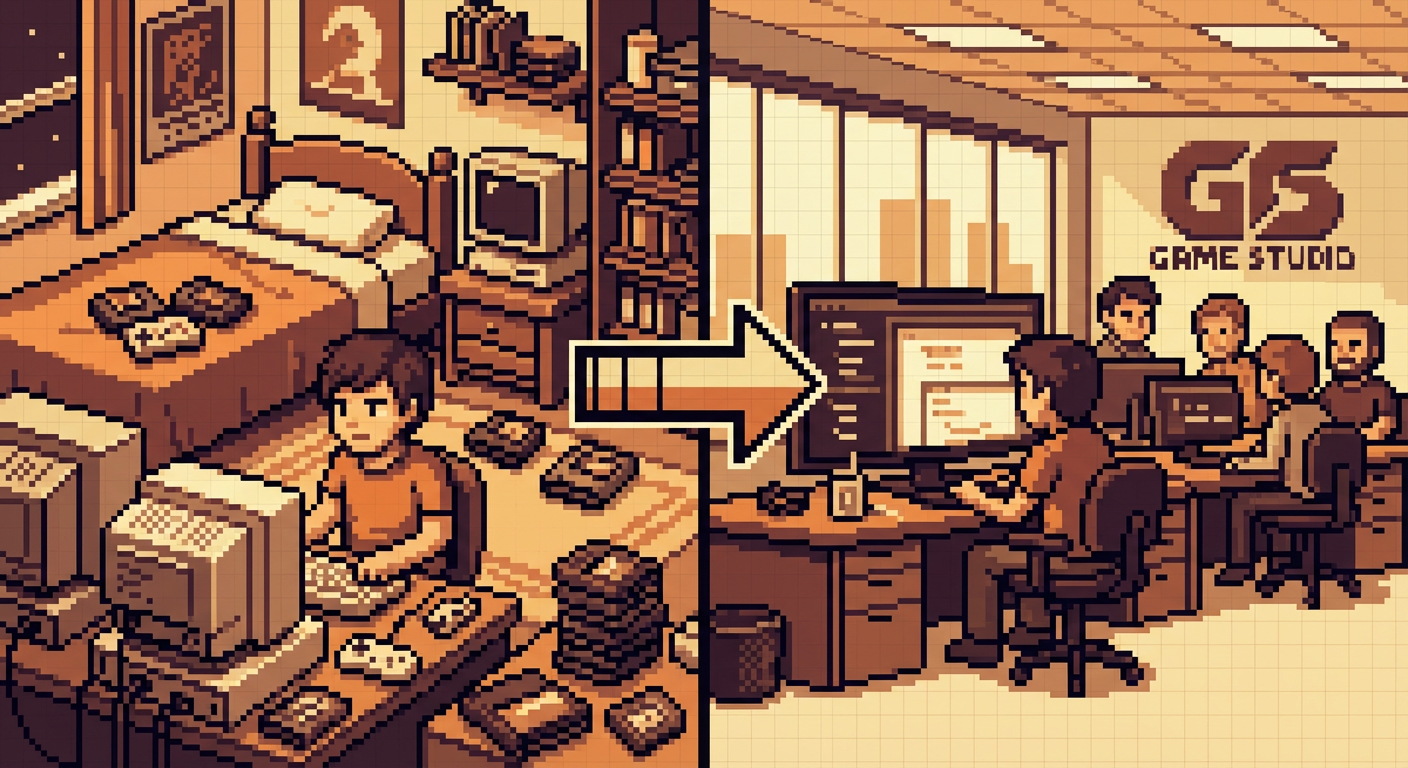
The relationship between modding and professional game development has gone from casual hobbyism to a legitimate career pipeline that major studios actively recognize and recruit from. I can’t tell you how many developers at big gaming companies started by creating mods for their favorite games. They learned programming, 3D modeling, level design, and project management through hands-on experimentation rather than formal education.
This has created a fascinating feedback loop where modding communities basically act as unpaid research and development departments for the broader industry. When a particular mod concept gains traction and proves there’s market demand, you’ll often see similar mechanics pop up in future commercial releases. The battle royale genre itself started as mods before becoming one of gaming’s most profitable sectors. That shows how grassroots innovation can reshape entire market segments.
The technical skills needed for sophisticated modding have also grown way more complex. Today’s mod creators often work with the same tools and engines used by professional developers. This convergence has blurred the lines between amateur and professional game development, creating a democratized space where innovation can emerge from anywhere within the community.
Major modding platforms like Nexus Mods have recognized this talent pipeline, implementing features that help promising creators show their work to potential employers while building comprehensive portfolios that demonstrate real development experience.
The Business of Community Innovation
Game publishers have definitely taken notice of modding’s financial potential. Many companies have shifted from just tolerating modifications to actively facilitating and monetizing these ecosystems. Steam Workshop is probably the most visible example of this transformation, generating substantial revenue streams by providing integrated platforms where creators can sell their mods directly to players while Valve takes a percentage of each transaction.
This commercialization is both an opportunity and a challenge for traditional modding communities. On one hand, it gives creators legitimate ways to earn money from their passion projects and potentially transition into full-time development work. On the other hand, it introduces market pressures and monetization concerns that can change the collaborative, open-source culture that many modding communities have historically embraced.
Some publishers have gone even further, building entire business models around community-generated content. Games like Roblox have shown that platforms designed primarily for user-generated content can achieve massive commercial success while empowering creators to build sustainable businesses around their innovations.
However, this increased commercial interest has also created tension within established modding communities, particularly around issues of intellectual property, fair compensation, and maintaining the collaborative spirit that has traditionally defined these spaces.
Legal Frontiers and Gray Areas
The intersection of modding and intellectual property law has created some fascinating legal gray areas, particularly when community creators undertake ambitious projects that reconstruct or remaster abandoned games. These fan-made remasters often represent thousands of hours of volunteer labor aimed at preserving gaming history, yet they exist in legal limbo where enthusiastic preservation efforts can potentially conflict with corporate IP rights.
Recent years have seen several high-profile cases where fan projects received cease and desist orders just as they neared completion. These situations have sparked broader conversations about digital preservation, fair use, and the responsibilities that come with controlling culturally significant intellectual properties. It’s honestly pretty heartbreaking to see years of passionate work get shut down at the last minute.
Some forward-thinking companies have begun working with fan projects rather than simply shutting them down, recognizing that these efforts often work as valuable marketing for their properties while demonstrating genuine community passion. However, the legal landscape remains inconsistent, with outcomes often depending on individual corporate policies rather than clear legal precedents.
The challenge becomes particularly acute when considering the preservation of gaming history, as many classic titles risk being lost to time without community intervention to update them for modern systems and maintain their accessibility for future players.
The Future of Player-Driven Development
Looking ahead, modding communities seem positioned to play an even more central role in game development and preservation. Emerging technologies like AI-assisted content creation tools are lowering barriers to entry while enabling more sophisticated modifications than ever before. At the same time, the success of community-driven games has encouraged more developers to build modding support directly into their titles from launch rather than treating it as an afterthought.
The sustainability of these communities will likely depend on finding the right balance between commercial opportunity and the collaborative culture that has traditionally driven innovation in these spaces. As more creators seek to monetize their work, communities will need to navigate questions about fair compensation, quality standards, and maintaining the open accessibility that has made modding such a powerful creative force.
What’s certain is that modding communities have changed how we think about game longevity, proving that the most enduring titles are those that empower players to become co-creators in their ongoing evolution. As the industry continues to evolve, the lessons learned from these grassroots development ecosystems will likely influence everything from game design philosophy to business model innovation.
The conversation around modding and game longevity is far from over, and we want to hear from the communities driving this transformation. Whether you’re a veteran modder, an aspiring creator, or simply someone fascinated by how games evolve beyond their original vision, your perspective matters in understanding where this remarkable phenomenon heads next.