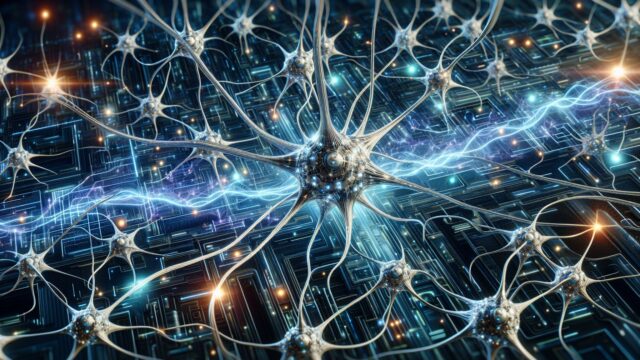
Hey tech enthusiasts! Today, let’s dive headfirst into the world of brain-computer interfaces (BCI) and the wild developments happening in the realm of neural lace technology. I’ve always found this area endlessly fascinating—it opens the door to innovative solutions for neurological disorders, and it presents the white-knuckle adventure of AI and human mind melding. Seriously, fasten your seatbelts because the ride into our potential brain-tech future is thrilling.
What Exactly are BCIs?
In a world where headlines about self-driving cars and hovering drones have started to feel like old news, brain-computer interfaces have surged into the tech spotlight. For those unfamiliar with the sci-fi concept of BCIs, these are devices that can read, interpret, and translate neural signals either to help restore lost functions or, quite mind-bendingly, to grant entirely new capabilities.
BCIs can dramatically transform how we interact with machines—and most innovators agree they have serious potential to change how we live our lives in nearly every aspect. Until now, BCIs focused on basic functionality like helping patients with paralysis. But friends, have you heard about neural lace? Your mind might just explode. Read on!
Tapping into the Neural Lace
At this point, I’ll bet you’ve heard the electric buzz around Elon Musk’s Neuralink. Their goal—just as you might have guessed—is to achieve a smooth connection between humans and machines, breaking barriers like never before.
Neural lace refers to an ultra-thin mesh implanted into our brains that integrates with our neural networks. It’s like ditching your rotary phone for the most futuristic upgrade imaginable. The theory is that these BCIs could amplify our cognitive abilities and drive revolutionary advances beyond anything we can currently experience.
“Hold up a second here!” I hear the skeptics chanting. Don’t worry, fellow BCI fans—the computational power driving these nano-neurons is attracting some of the brightest minds among us.
Next-Gen BCIs: Real Evolution
Recent advances in nanotechnology have expanded the possibilities for less invasive brain integration. Right now, most approaches require surgical procedures to embed these mesh networks. But today’s tech landscape is rapidly changing the relationship between our cyborg and biological selves.
Take, for example, initiatives working on flexible, soft, intelligent connectors that could interface with our brain tissue. We’re talking about millions upon millions of potential connection points that could tap into previously inaccessible neural pathways. The question is where these breakthrough technologies might take us next.
The Real Challenges Ahead
Here’s where things get complicated. The brain isn’t just another computer we can plug into. Neural tissue is delicate, and our understanding of consciousness itself remains frustratingly incomplete. Current trials are showing promise, but we’re still figuring out basic questions about biocompatibility and long-term effects.
Safety concerns are real. We’re talking about putting foreign objects into the most important organ in our bodies. Plus, there are massive ethical questions about privacy, identity, and what it even means to be human when your thoughts can interface directly with AI systems. These aren’t small hurdles—they’re fundamental challenges that will shape how this technology develops.
Where We Go From Here
Despite the challenges, progress continues at breakneck speed. The potential benefits for people with spinal injuries, ALS, and other neurological conditions are too significant to ignore. We’re looking at the possibility of restoring movement, communication, and independence to millions of people.
But I’ll be honest—I’m both excited and a little terrified about where this leads. The idea of downloading knowledge directly into our brains sounds amazing until you start thinking about who controls that information flow. Still, watching these technologies develop feels like witnessing the birth of something that will fundamentally change what it means to be human.
The next few years will be critical. We’ll see which approaches work, which fail spectacularly, and hopefully get some answers to the big ethical questions before we’re too far down this rabbit hole to turn back.