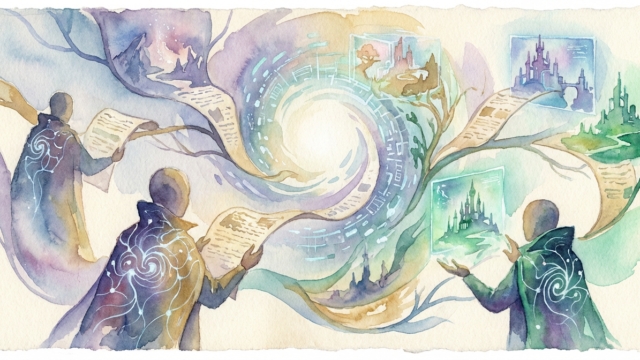
How Modding Communities Are Rewriting the Rules of Game Longevity

The Unstoppable Force of Player Creativity

Walk into any gaming discussion about longevity and you’ll inevitably hear someone mention The Elder Scrolls V: Skyrim, a game that refuses to fade into obscurity despite launching over a decade and a half ago. What keeps players returning isn’t just Bethesda’s original vision, but the thriving ecosystem of over 100,000 community-created modifications that have completely changed how we think about a game’s lifespan. This goes way beyond a single title. It’s a major shift in how games achieve immortality through passionate communities.

How Modding Communities Are Rewriting the Rules of Game Longevity

The numbers tell a story that traditional game development cycles simply can’t match. Most AAA titles see predictable player drop-offs months after release, but heavily modded games keep active populations for years or even decades. Minecraft is probably the best example here. Its modding community generates billions of downloads each year across platforms like CurseForge mod platform, turning a simple block-building game into something infinitely expandable.

We’re not just talking about enthusiast tinkering anymore. These are parallel development ecosystems that work with the efficiency and creativity of professional studios. Player-driven content creation can keep games alive far longer than any publisher roadmap ever imagined, and that’s challenging some pretty basic assumptions about product lifecycles in the gaming industry.
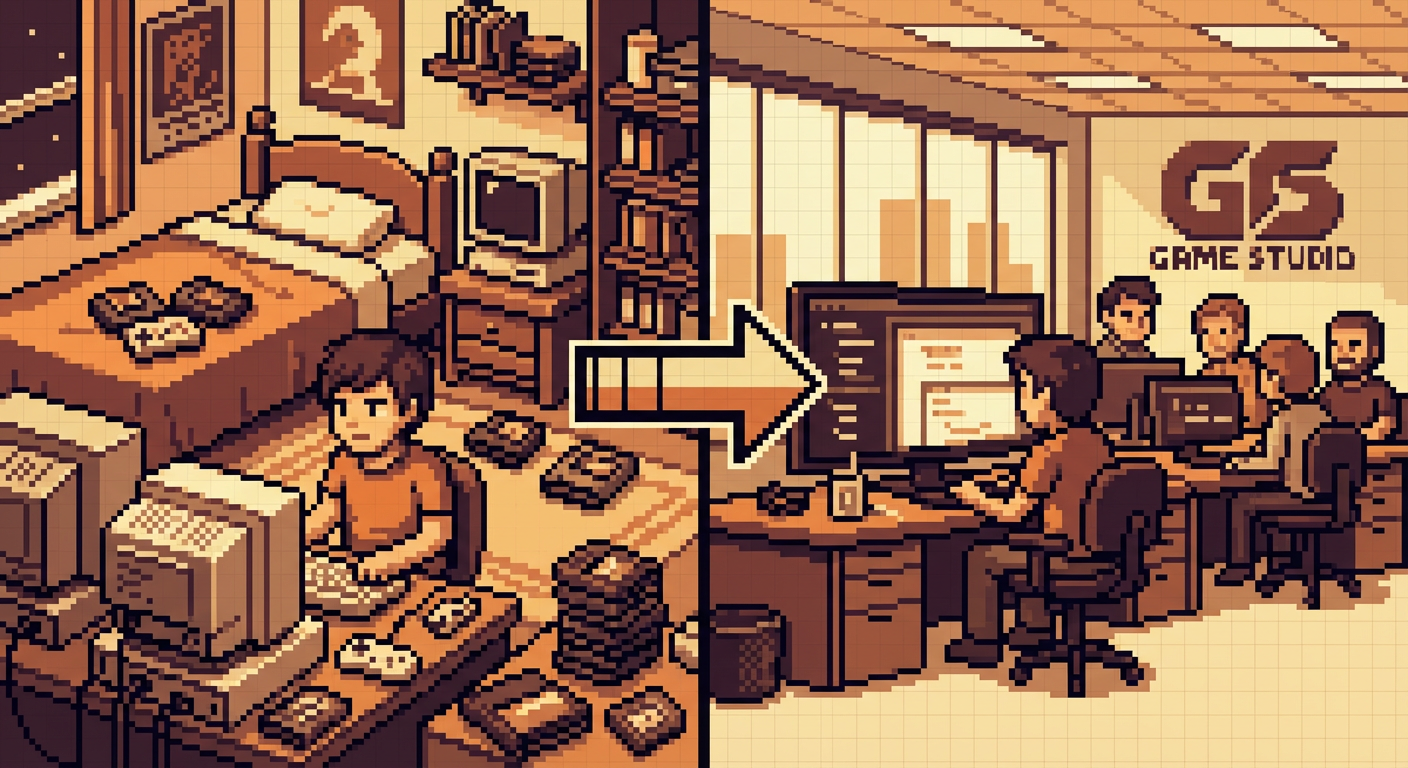
Illustration for How Modding Communities Are Rewriting the Rules of Game Longevity

When Players Become Developers

The relationship between modding and professional game development has gone from casual hobbyism to a legitimate career pipeline that major studios actively recognize and recruit from. I can’t tell you how many developers at big gaming companies started by creating mods for their favorite games. They learned programming, 3D modeling, level design, and project management through hands-on experimentation rather than formal education.

This has created a fascinating feedback loop where modding communities basically act as unpaid research and development departments for the broader industry. When a particular mod concept gains traction and proves there’s market demand, you’ll often see similar mechanics pop up in future commercial releases. The battle royale genre itself started as mods before becoming one of gaming’s most profitable sectors. That shows how grassroots innovation can reshape entire market segments.

The technical skills needed for sophisticated modding have also grown way more complex. Today’s mod creators often work with the same tools and engines used by professional developers. This convergence has blurred the lines between amateur and professional game development, creating a democratized space where innovation can emerge from anywhere within the community.

Major modding platforms like Nexus Mods have recognized this talent pipeline, implementing features that help promising creators show their work to potential employers while building comprehensive portfolios that demonstrate real development experience.

The Business of Community Innovation

Game publishers have definitely taken notice of modding’s financial potential. Many companies have shifted from just tolerating modifications to actively facilitating and monetizing these ecosystems. Steam Workshop is probably the most visible example of this transformation, generating substantial revenue streams by providing integrated platforms where creators can sell their mods directly to players while Valve takes a percentage of each transaction.

This commercialization is both an opportunity and a challenge for traditional modding communities. On one hand, it gives creators legitimate ways to earn money from their passion projects and potentially transition into full-time development work. On the other hand, it introduces market pressures and monetization concerns that can change the collaborative, open-source culture that many modding communities have historically embraced.

Some publishers have gone even further, building entire business models around community-generated content. Games like Roblox have shown that platforms designed primarily for user-generated content can achieve massive commercial success while empowering creators to build sustainable businesses around their innovations.

However, this increased commercial interest has also created tension within established modding communities, particularly around issues of intellectual property, fair compensation, and maintaining the collaborative spirit that has traditionally defined these spaces.

Legal Frontiers and Gray Areas

The intersection of modding and intellectual property law has created some fascinating legal gray areas, particularly when community creators undertake ambitious projects that reconstruct or remaster abandoned games. These fan-made remasters often represent thousands of hours of volunteer labor aimed at preserving gaming history, yet they exist in legal limbo where enthusiastic preservation efforts can potentially conflict with corporate IP rights.

Recent years have seen several high-profile cases where fan projects received cease and desist orders just as they neared completion. These situations have sparked broader conversations about digital preservation, fair use, and the responsibilities that come with controlling culturally significant intellectual properties. It’s honestly pretty heartbreaking to see years of passionate work get shut down at the last minute.

Some forward-thinking companies have begun working with fan projects rather than simply shutting them down, recognizing that these efforts often work as valuable marketing for their properties while demonstrating genuine community passion. However, the legal landscape remains inconsistent, with outcomes often depending on individual corporate policies rather than clear legal precedents.

The challenge becomes particularly acute when considering the preservation of gaming history, as many classic titles risk being lost to time without community intervention to update them for modern systems and maintain their accessibility for future players.

The Future of Player-Driven Development

Looking ahead, modding communities seem positioned to play an even more central role in game development and preservation. Emerging technologies like AI-assisted content creation tools are lowering barriers to entry while enabling more sophisticated modifications than ever before. At the same time, the success of community-driven games has encouraged more developers to build modding support directly into their titles from launch rather than treating it as an afterthought.

The sustainability of these communities will likely depend on finding the right balance between commercial opportunity and the collaborative culture that has traditionally driven innovation in these spaces. As more creators seek to monetize their work, communities will need to navigate questions about fair compensation, quality standards, and maintaining the open accessibility that has made modding such a powerful creative force.

What’s certain is that modding communities have changed how we think about game longevity, proving that the most enduring titles are those that empower players to become co-creators in their ongoing evolution. As the industry continues to evolve, the lessons learned from these grassroots development ecosystems will likely influence everything from game design philosophy to business model innovation.

The conversation around modding and game longevity is far from over, and we want to hear from the communities driving this transformation. Whether you’re a veteran modder, an aspiring creator, or simply someone fascinated by how games evolve beyond their original vision, your perspective matters in understanding where this remarkable phenomenon heads next.

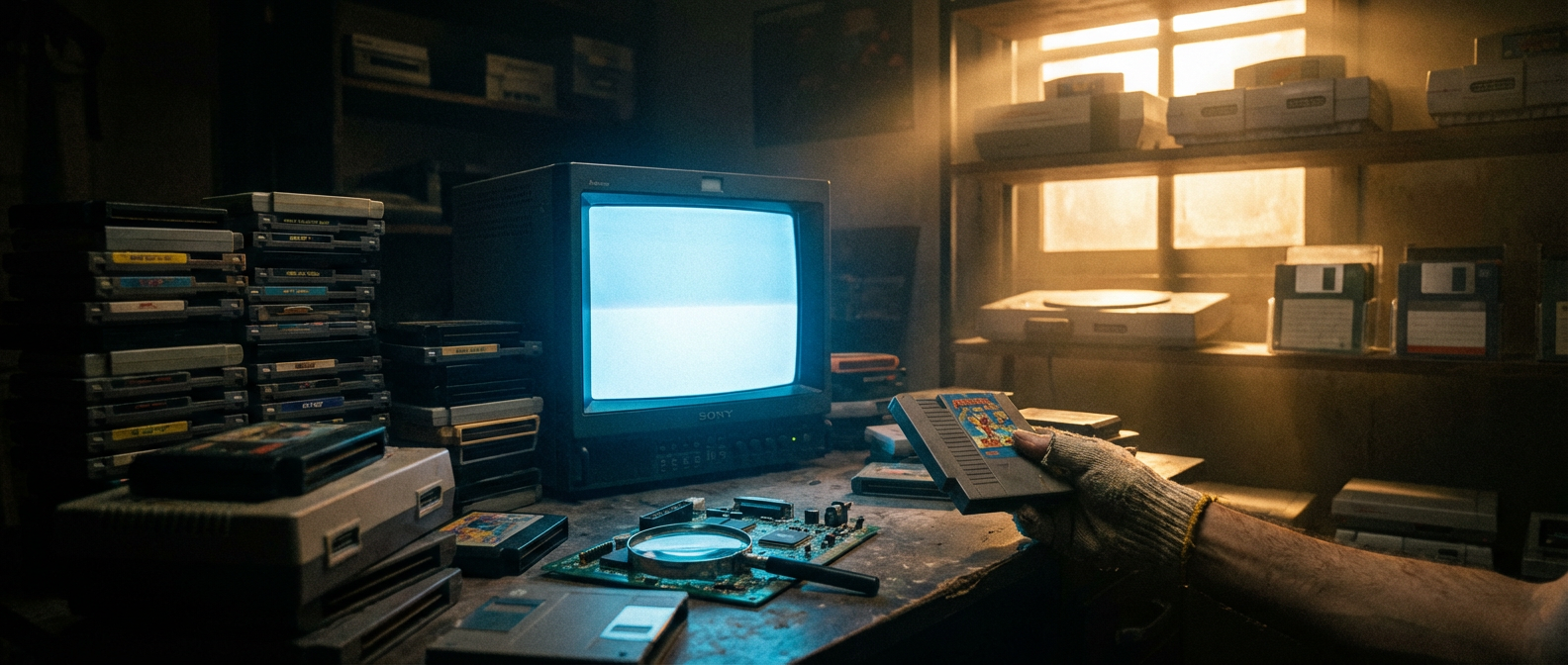
The ROM Debate Hierarchy: Ranking Every Argument in Gaming’s Greatest Preservation War

S-Tier: The Unavoidable Truth About Game Extinction

The numbers don’t lie, and they’re brutal. Research from the Video Game History Foundation shows that 87 percent of classic video games have vanished completely. Gone. You can’t buy them anywhere legally, you can’t play them through official channels, they just don’t exist anymore in any accessible way. This isn’t some activist spinning numbers to make a point—this is documented cultural extinction happening right now, at a scale that would have people screaming bloody murder if we were talking about movies, books, or music from the same time periods.

The ROM Debate Hierarchy: Ranking Every Argument in Gaming's Greatest Preservation War
The ROM Debate Hierarchy: Ranking Every Argument in Gaming’s Greatest Preservation War

When critics say ROM distribution breaks copyright law, sure, they’re technically right. But they’re completely missing the bigger disaster here. These games aren’t disappearing because of piracy. They’re disappearing because the companies that own them have completely abandoned them, leaving zero legal ways to access them. The preservation crisis sits in S-tier because it’s bigger than every other argument in this whole debate. You can’t protect intellectual property that doesn’t exist in any accessible form anymore. You can’t build a gaming culture on a pile of digital ash.

Think about how insane this really is. Video games are the biggest entertainment medium right now. Bigger than movies and music combined in terms of revenue. We’re not just losing some old software here, we’re systematically erasing the evolutionary history of an art form that defines modern entertainment. Future game developers, historians, and players are going to inherit a medium with massive holes in its timeline. ROM preservation efforts are the only thing standing between us and those holes becoming permanent.

Illustration for The ROM Debate Hierarchy: Ranking Every Argument in Gaming's Greatest Preservation War
Illustration for The ROM Debate Hierarchy: Ranking Every Argument in Gaming’s Greatest Preservation War

A-Tier: Legal Frameworks That Actually Work

The Internet Archive games collection is exactly how preservation should work when you get the legal framework right. They’re hosting thousands of playable vintage games under specific DMCA exemptions, proving that legitimate preservation doesn’t have to be some lawless free-for-all. They do rigorous documentation and stick carefully to copyright exceptions that were designed specifically for educational and historical purposes.

What’s even better is that the Library of Congress expanded and renewed its game preservation exemptions in 2024. This creates clearer paths for institutions to maintain playable archives of aging software. These exemptions recognize what preservationists have been saying for decades: interactive media is different from regular copyright materials because you can’t separate the experience from the technology. You can’t preserve a video game by keeping the code on a shelf somewhere. Preservation means being able to actually run and experience the software as it was meant to be played.

I put institutional preservation efforts in A-tier because they give us sustainable, defensible models for keeping gaming history alive. The Internet Archive proves that preservation advocates don’t have to choose between respecting intellectual property and maintaining cultural heritage. Smart legal frameworks can handle both when they’re actually designed with preservation in mind instead of just commercial interests.

B-Tier: The Hardware Renaissance and Its Limitations

The explosion of premium emulation hardware is pretty fascinating as a middle ground approach. Companies like Analogue and the open-source MiSTer FPGA project have created this whole thriving market for authentic vintage gaming experiences without getting into questionable software distribution. These devices recreate original hardware behavior at the silicon level, giving you near-perfect compatibility with original cartridges and discs while supporting modern displays and quality-of-life improvements.

FPGA-based solutions earn B-tier placement because they solve the technical preservation challenge brilliantly while avoiding most legal complications entirely. When you’re running an original cartridge on hardware that precisely mimics vintage silicon behavior, the copyright concerns that plague ROM distribution mostly disappear. You get an authentic experience, rights holders’ intellectual property gets respected through legitimate software ownership, and preservation happens through technological innovation rather than legal workarounds.

But this approach has serious scalability problems that keep it out of A-tier. FPGA hardware is still expensive and technically complex, which limits its impact to enthusiast communities instead of broad preservation efforts. More importantly, this solution only works for games that still exist in their original physical formats. When the cartridge or disc is damaged, degraded, or just unavailable, even the most sophisticated hardware recreation can’t restore access to lost software.

C-Tier: Corporate Hypocrisy and Selective Enforcement

Nintendo’s aggressive DMCA campaigns against ROM sites and fan projects while keeping most of their classic catalog commercially unavailable is the worst possible approach to digital preservation. They clearly have the technical ability to rerelease vintage titles through services like Nintendo Switch Online, but they cover only a tiny fraction of their historical library while simultaneously destroying alternative preservation efforts maintained by dedicated communities.

This selective enforcement strategy lands in C-tier because it actively hurts preservation without providing meaningful alternatives. When Nintendo targets decades-old ROMs for games they have zero intention of republishing, they create this dead zone where the software becomes completely inaccessible through any legitimate means. Their legal rights are unquestionable, but the way they exercise those rights often contradicts any reasonable preservation interest while offering no constructive solutions for maintaining gaming heritage.

The broader pattern of publisher silence on preservation issues while aggressively pursuing intellectual property enforcement shows an industry that wants the benefits of copyright protection without accepting the cultural responsibilities that should come with such extensive legal privileges. These companies built their fortunes on gaming’s cultural impact, but they consistently prioritize short-term legal control over long-term heritage preservation when the two conflict.

D-Tier: The False Equivalency Arguments

Arguments that equate ROM preservation with simple piracy belong in D-tier because they fundamentally misunderstand both the preservation challenge and the commercial realities of abandoned software. When critics claim that downloading a ROM of a thirty-year-old game is theft, they’re ignoring the complete absence of any legal purchasing alternative and the reality that no money changes hands regardless of enforcement outcomes.

The piracy comparison fails because traditional piracy involves accessing currently available commercial products without paying, while preservation-focused ROM distribution typically involves software that cannot be purchased at any price from any official source. These are completely different situations that need different analytical frameworks, not knee-jerk application of anti-piracy arguments designed for contemporary commercial software distribution.

This false equivalency actively damages preservation efforts by creating moral confusion around activities that serve legitimate cultural and educational purposes. When every form of software preservation gets labeled as piracy, we lose the ability to distinguish between commercially harmful copying and culturally essential heritage maintenance. The result is legal and social frameworks that treat digital preservation activists like common criminals, even though they’re trying to maintain access to humanity’s interactive entertainment heritage.

The ROM debate ultimately comes down to a simple question: do we prioritize theoretical intellectual property rights over practical cultural preservation when the two goals conflict? The evidence strongly suggests that aggressive enforcement without constructive alternatives leads to permanent cultural loss, while thoughtful preservation efforts can coexist with legitimate copyright protection. Share your own experiences with game preservation and help build the coalition needed to ensure gaming history survives for future generations.

The Great Gaming Time Capsule: Why Your Childhood Favorites Are Disappearing Into the Digital Void

The Vanishing Act of Video Game History

Remember the thrill of discovering a forgotten game cartridge in a dusty corner of your childhood bedroom, blowing into it with ritualistic precision, and hearing those familiar electronic chirps spring to life? That moment of rediscovery might become increasingly rare as we hurtle deeper into the digital age. The Video Game History Foundation recently delivered sobering news that should concern anyone who believes our interactive entertainment deserves the same preservation efforts afforded to films, books, and music: nearly nine out of ten classic video games have vanished from commercial availability, lost to licensing disputes, corporate indifference, or simple technological obsolescence.

The Great Gaming Time Capsule: Why Your Childhood Favorites Are Disappearing Into the Digital Void

This staggering statistic means more than mere numbers on a spreadsheet. Each unavailable title represents countless hours of human creativity, innovation, and cultural history that risks disappearing entirely. We can still watch Charlie Chaplin films from over a century ago or listen to jazz recordings from the 1920s, but many breakthrough games from just two decades past have become digital ghosts. You can only access them through increasingly precarious means that exist in legal gray areas.

Here’s the kicker: video games are one of the most technologically sophisticated art forms ever created, yet they’re among the most fragile. A book can sit on a shelf for decades. A vinyl record spins regardless of corporate machinations. But games depend on specific hardware configurations, operating systems, and often online services that companies can discontinue whenever they feel like it.

Illustration for The Great Gaming Time Capsule: Why Your Childhood Favorites Are Disappearing Into the Digital Void

Digital Archaeology in Action

Thankfully, dedicated preservationists refuse to let gaming history slip away without a fight. The Internet Archive games section is probably the most ambitious effort to maintain access to vintage titles. They host thousands of playable games that span decades of interactive entertainment history. Operating under specific DMCA exceptions designed to protect legitimate preservation efforts, this digital library lets anyone with an internet connection experience everything from pioneering text adventures to early arcade classics.

These preservation efforts reveal some interesting truths about how our memories of classic games often diverge from reality. That beloved platformer you remember as visually stunning might appear surprisingly primitive when experienced through modern eyes. Meanwhile, a forgotten puzzle game could demonstrate design brilliance that contemporary developers still struggle to match. The gap between nostalgia and actual experience becomes stark when you can immediately access the source material rather than relying on rose-tinted recollections.

The emergence of high-quality emulation hardware has transformed preservation from a purely academic exercise into a thriving enthusiast market. Companies like Analogue have built substantial businesses around FPGA devices that can perfectly recreate original console hardware. The open-source MiSTer project has democratized access to cycle-accurate emulation for dozens of vintage systems. These solutions bridge the gap between authentic hardware experience and practical accessibility, though they often require significant technical knowledge and financial investment.

The Corporate Memory Hole

The relationship between preservation and corporate interests remains deeply complicated. It’s defined more by what companies choose not to say than by any clear policy statements. Publishers aggressively pursue intellectual property protection through DMCA takedowns targeting ROM sites and fan projects, but they rarely articulate comprehensive preservation strategies for their own catalogs. Nintendo, in particular, has become infamous for shuttering decades-old ROM distribution while simultaneously keeping many of those same titles unavailable through official channels.

This aggressive enforcement creates a peculiar situation where companies zealously guard the rights to games they have no apparent interest in selling. Enthusiasts get caught between respect for intellectual property and desire to experience gaming history. The recent expansion of Library of Congress exemptions for game preservation in 2024 provides some legal cover for academic and archival institutions, but these protections remain narrow and often impractical for broader public access.

The silence from major publishers on preservation issues speaks volumes about how the industry views its own cultural legacy. Film studios have learned to monetize their back catalogs through streaming services and special editions. Game companies seem content to let vast portions of their history languish in legal limbo. This approach not only deprives current audiences of classic experiences but also limits the ability of contemporary developers to study and learn from pioneering design work.

The Authentication Problem

Perhaps the most challenging aspect of game preservation involves determining what constitutes an “authentic” experience worthy of preservation. Unlike other media forms, games exist as interactive systems that can be fundamentally altered by emulation compromises, hardware differences, or software modifications. The version of a classic game you play through browser emulation might behave quite differently from the original cartridge experience. This raises questions about whether preservation efforts truly capture the intended artistic vision.

This authenticity question becomes even more complex when considering the social and technological context that originally surrounded these games. Playing a vintage arcade title on your laptop cannot replicate the quarters-in-pocket tension, the background noise of a busy arcade, or the specific CRT monitor characteristics that shaped the visual presentation. Some preservation efforts attempt to recreate these contextual elements, but perfect historical recreation is impossible.

The ROM debate ultimately reflects deeper tensions between different approaches to cultural preservation. Academic institutions favor comprehensive archival strategies that prioritize long-term access over perfect authenticity. Enthusiast communities often obsess over cycle-perfect emulation and original hardware purity. Publishers seem primarily concerned with maintaining control over valuable intellectual property regardless of preservation implications.

Memory Versus Reality

Here’s the honest truth: our relationship with classic games often says more about our personal histories than about the objective quality of those experiences. The sixteen-bit era RPG that consumed your summer vacation might genuinely deserve preservation for its innovative storytelling techniques. Or it might simply remind you of a time when your biggest worry involved leveling up before the next boss battle.

This emotional component makes preservation efforts both more important and more complicated than purely academic archival work. Games preserve not just interactive systems but also personal memories, social connections, and cultural moments that can’t be easily separated from the underlying code. The argument for keeping these experiences accessible extends beyond artistic merit to their role as shared cultural touchstones for entire generations.

As we navigate the complex world of digital preservation, the fundamental question remains whether we can develop sustainable approaches that balance legitimate copyright concerns with broader cultural access. The current system, characterized by aggressive enforcement and corporate silence, doesn’t serve creators or audiences particularly well. Maybe the solution isn’t choosing between preservation and profit, but recognizing that our interactive entertainment heritage deserves the same thoughtful stewardship we provide to other cultural artifacts.

What aspects of gaming preservation matter most to you? Have you encountered classic games that lived up to your memories, or discovered hidden gems that time had forgotten? The conversation around digital heritage continues to evolve, and every voice helps shape how future generations will access and understand our interactive past.

The Definitive Ranking of Indie Game Development Trends That Will Define 2026

S-Tier: The Godot Revolution and One-Person Studio Supremacy

The Godot Engine sits at the top because it’s completely changed what solo developers can actually pull off. Godot 4 made professional-level game development free for anyone willing to learn it. No licensing fees, no corporate strings attached, just powerful tools that used to cost serious money.

Look at Balatro. One person made that game and it became a phenomenon that dominated both sales charts and gaming discussions for months. I’m not saying every solo dev will hit those numbers, but the point is clear: the tools no longer hold you back. When you have access to the same engine capabilities as bigger studios, success comes down to your ideas and execution, not your budget. Critics still call one-person studios unsustainable, but they’re missing how much the playing field has shifted.

The numbers back this up. itch.io hosts nearly a million games now. That’s an explosion of creativity that traditional publishing never could have supported. Solo developers have tools today that would have cost hundreds of thousands of dollars ten years ago, and that changes everything about who gets to make games.

A-Tier: Platform Democratization and AI-Assisted Creation

Game Pass deserves major credit for changing discovery. When your indie game sits next to AAA titles in the same subscription service, traditional marketing advantages matter less. Millions of subscribers will try your game based on screenshots and a brief description, not because of a million-dollar ad campaign.

AI tools have become genuinely useful for small teams. You can generate decent sprites, textures, and even music without hiring specialists. I know some developers who feel conflicted about using AI assets, but the practical reality is that it lets you focus your limited time and money on gameplay instead of production bottlenecks. The technology works well enough now that it’s not experimental anymore, it’s just another tool in the toolkit.

These two trends work together beautifully. AI reduces your costs while subscription platforms give you built-in exposure. Your creative vision becomes the main differentiator rather than how much you can spend on art and marketing. That’s a fundamental shift that makes indie development much more sustainable.

B-Tier: Steam Next Fest and Event-Driven Discovery

Steam’s quarterly showcases consistently generate over two million demo downloads, which is genuinely impressive reach for indie developers. I’ve seen unknown games explode in popularity during Next Fest weekend, turning solo projects into full-time careers practically overnight.

But here’s why it’s B-tier instead of higher: success requires you to become good at marketing, not just game development. You need polished trailers, smart timing, community management skills, and social media savvy. If you nail the formula, Next Fest can be career-defining. If you don’t understand how it works, you might prepare for months and see almost no impact.

The opportunity is huge, but it adds complexity rather than removing barriers. You have to be a marketing expert on top of being a creative visionary, which not every developer wants to become or has time for.

C-Tier: Market Saturation and Quality Threshold Elevation

Here’s the uncomfortable truth many indie developers don’t want to discuss: there are so many games now that being “pretty good” isn’t enough anymore. Players expect indie games to have AAA polish while maintaining that creative authenticity that makes them special. That’s a tough balance to strike.

You can see this in Steam reviews. Games that would have gotten enthusiastic reception five years ago now struggle with mixed ratings. Players have gotten used to high-quality indie productions, so the bar keeps rising. Technical competence alone won’t cut it, you need genuine innovation or exceptional execution to stand out.

I actually think this is good for gaming overall, even though it makes things harder for developers. The quality pressure pushes everyone to make better games rather than relying on low expectations. But it does mean you need higher skill levels and more creative ambition to succeed.

The Definitive Verdict on 2026’s Development Landscape

These trends create a perfect storm for individual developers. The tools are powerful and accessible, AI helps with production bottlenecks, subscription platforms provide exposure, and the audience is huge and hungry for good games. Yes, the quality bar is higher than ever, but the resources to clear that bar are available to anyone willing to learn.

Solo development has transformed from a hobby with long-shot dreams into a legitimate career path. The conditions exist right now for talented, dedicated developers to compete directly with established studios.

What’s your experience navigating these development trends, and which tools or platforms have proven most valuable for your indie projects?

The Real Picture on AI roleplaying games and the future of interactive fiction

This is one of those moments where paying attention changes what you do next. AI roleplaying games and interactive fiction deserve more careful attention than the typical coverage provides, and the reason is not complicated once you know where to look.

Here’s what most people miss: Latitude’s AI Dungeon hit 2 million users within months of launching on GPT-2. When you look at the numbers, this tells us everything we need to know about where things are headed.

The Real Picture on AI roleplaying games and the future of interactive fiction

The Criticism: Setting the Terms

AI Dungeon launched in 2019 and became the first mainstream AI-driven RPG with millions of users. That’s not just a data point, it’s the foundation that makes everything else in this space make sense. These conditions have been building for years, and what we’re seeing now is different from previous moments that might have looked similar.

Here’s what happened: AI Dungeon hit those 2 million users fast, then KoboldAI and NovelAI emerged as alternatives with local model support and fewer content restrictions. Look at both together and you’ll see a pattern that AI Dungeon has been dealing with from the inside. The conditions are more solid than they first appeared, and the implications go way beyond the immediate headlines.

To understand why this matters, compare what was true three years ago to what’s true now. The change isn’t just about numbers, it’s about quality. The players, the infrastructure, the incentives have all shifted in ways that build on each other rather than cancel out. That compounding effect is what you need to track.

What makes this worth examining carefully isn’t the novelty but the confirmation. The underlying dynamics have been visible for a while. What’s new is that they’ve reached a point where ignoring them takes real effort rather than simple inattention. Crossing that threshold is the real event here.

And Character.AI reaching 20 million daily active users largely through roleplay? That’s part of the same picture. These aren’t separate developments, they’re reinforcing conditions in the same shift.

The Honest Review: The Analysis

Character.AI’s 20 million daily active users mostly doing roleplay is where things get specific. The surface reading isn’t wrong, but it misses the mechanism. And the mechanism is where the useful insight lives.

What people miss: tabletop RPG communities are using LLMs as dungeon masters for solo play sessions. Understanding that changes everything about how you read this information.

This isn’t some random correlation. It’s a direct result of structural factors that have been building up. Previous attempts to understand similar situations failed because they treated symptoms as causes. The structural view is less exciting as a headline but more useful for actually understanding what’s happening.

Comparing this to prior cycles is helpful precisely because of where the comparison breaks down. Similar-looking conditions played out differently before because the foundation was different. AI-generated branching narratives are challenging traditional visual novel and CYOA formats, and that represents a foundation change. It alters how flexible the system is, not just its current state. Recognizing that distinction separates real analysis from pattern-matching.

The skeptical view deserves honest engagement: previous moments with similar surface characteristics didn’t produce the outcomes that seemed logical at the time. That history is real. What’s different now is that AI-generated branching narratives are challenging traditional visual novel and CYOA formats. This isn’t a minor variable, it’s the infrastructure condition that previous cycles lacked. Infrastructure changes tend to stick around in ways that sentiment-driven changes don’t. NovelAI creative writing is tracking this dimension with the attention it deserves.

There’s also a distribution question that often gets ignored in coverage of AI roleplaying games: who captures the value from these shifts, and who absorbs the disruption costs? The big picture can be positive while the distribution is uneven in ways that matter enormously to specific participants. Keeping that lens in view is part of reading the situation clearly rather than just optimistically.

Implications: What This Means If You Care About New releases

The implications extend beyond the immediate context. AI Dungeon’s launch and mainstream success, combined with the structural conditions I’ve described, creates a situation where adjacent fields, decisions, and communities get affected in ways that aren’t always visible from inside the primary story. The second-order effects are often more important than the first-order ones.

Here’s where this perspective differs from mainstream coverage: KoboldAI and NovelAI emerging as alternatives with local model support and fewer content restrictions is a leading indicator, not a lagging one. The people positioned to respond to what this signals, rather than to what it confirms, will be less surprised by what comes next.

Your practical response depends heavily on where you sit relative to these dynamics. For those closest to the core of AI roleplaying games, the implications are immediate and operational. For those at greater distance, the implications are strategic. It’s about understanding which adjacent pressures are building and which assumed stabilities are more fragile than they appear.

The practical question isn’t whether to engage with these dynamics but how. The answer depends on context, on what role you occupy and what your actual decision timeline looks like. But the first step is the same regardless: accurate understanding of what’s actually happening rather than what the most available narrative says is happening.

A few concrete observations worth separating from the broader analysis. First: AI Dungeon hitting 2 million users within months on GPT-2 is not a temporary condition, it’s a new baseline. Second: tabletop RPG communities using LLMs as dungeon masters for solo play suggests the adjustment period isn’t over. Third, and most important: the organizations and individuals treating the current moment as a new steady state rather than a transition are making a classification error that will be costly to unwind later.

The Case Against: What the Critics Get Right

Intellectual honesty requires acknowledging the strongest counterarguments, not just the weakest ones. The case against the optimistic reading of AI roleplaying games isn’t trivial. There are structural vulnerabilities in the current picture that deserve direct engagement rather than dismissal.

The most serious objection is about sustainability. KoboldAI and NovelAI emerging as alternatives can be read not as a foundation but as a ceiling. A point beyond which growth becomes self-limiting because of the very dynamics that produced it. If the current state has already absorbed most of the available early-adopting participants, the remaining growth curve may be structurally shallower than the recent trajectory implies.

There’s also the policy and regulatory dimension. AI Dungeon’s success describes a condition in a relatively permissive environment. Regulatory responses to the scale implied by these numbers aren’t inevitable, but they’re not implausible either. Organizations planning as though the current regulatory environment is permanent are making an assumption that the history of fast-growing sectors doesn’t support.

The rebuttal to these concerns isn’t that they’re wrong, it’s that they’re already partially priced into the current state of the field. AI-generated branching narratives challenging traditional visual novel and CYOA formats reflects an environment where participants are already adapting to constraints rather than operating in an unconstrained space. The adjustment capacity of the ecosystem is higher than a purely top-down view of the risks suggests.

Looking Forward

The trajectory here is clearer than the pace. Making predictions about when specific thresholds will be crossed is genuinely difficult, and anyone claiming precision about timelines should be treated with skepticism. But the direction toward continued development of the conditions I’ve described is supported by evidence in a way that doesn’t depend on a single variable going right.

AI-generated branching narratives challenging traditional visual novel and CYOA formats is the variable to watch as the leading indicator. Historical patterns suggest it moves first, with broader metrics following with some lag. This doesn’t make the outcome certain, but it makes it readable. And readability is the precondition for good decisions.

Three questions are worth holding as the story develops. First: are the structural conditions that enabled the current state durable, or are they cyclical? Second: who is positioned to benefit from the next phase, and does that differ materially from who benefited in the current phase? Third: what would a clean falsification of the optimistic thesis look like, and is there any evidence of that signal emerging? These questions don’t need answers today, but having asked them changes what you notice in the months ahead.

The action from here is straightforward, even when the situation isn’t. The current moment in AI roleplaying games is one where people who have built an accurate model of the underlying dynamics are better positioned than those relying on the surface story. Building that model isn’t quick, but it’s doable. This analysis is intended as one input into it.

If you’ve put time in, how does this track with your experience?

The Honest Review: Indie game development trends in 2026

This is one of those moments where paying attention changes what you do next. The topic of indie game development trends in 2026 rewards more careful attention than the typical coverage provides, and the reason is not complicated once you know where to look.

The part of this that most people miss is also the part that matters most: Godot 4 is dramatically lowering the barrier to entry for solo developers. The direct read of the situation is also the more accurate one once you examine what the evidence actually shows.

The Honest Review: Indie game development trends in 2026

The Criticism: Setting the Terms

That Itch.io hosts over 900,000 games as of 2026 isn’t just a data point. It’s the structural condition that makes everything else in this analysis make sense. Context like this doesn’t age quickly. The conditions that produced it have been building for years, and the convergence is what makes the current moment different from previous moments that looked similar from a distance.

You’ve got Godot 4 dramatically lowering barrier to entry for solo developers and games like Balatro proving one-person studios can reach millions. When you look at both together, a pattern emerges that Godot Engine has been tracking from the inside: the conditions are more durable than they first appear, and the implications extend further than the immediate headline suggests.

To understand why this matters, look at what was true three years ago versus what’s true now. The difference isn’t simply quantitative, it’s qualitative. The participants, the infrastructure, and the incentive structures have all shifted in ways that compound rather than cancel out. That compounding is the most important element to track.

What makes this moment worth examining carefully isn’t the novelty but the confirmation. The underlying dynamics have been visible for some time. What’s new is that they’ve reached a threshold where ignoring them requires active effort rather than simple inattention. That threshold crossing is the event, not the underlying movement that produced it.

Game Pass and similar services improving discoverability for small titles is part of that same picture. These elements don’t exist in separate silos, they’re reinforcing conditions in the same structural shift.

Illustration for The Honest Review: Indie game development trends in 2026

The Honest Review: The Analysis

Game Pass and similar services improving discoverability for small titles is where the analysis gets more specific. The surface reading is accessible and not wrong, but it misses the mechanism. And the mechanism is where the practical insight lives. The part most people miss: AI-assisted asset generation is reshaping indie development pipelines, and understanding it changes what you do with the information.

Consider what AI-assisted asset generation reshaping indie development pipelines represents in context. It’s not a correlation that happened to appear, it’s a downstream consequence of structural factors that have been compounding. Previous readings of similar situations failed because they treated the symptom as the cause. The structural account is less satisfying as a headline but more useful as an analytical tool.

The comparison to prior cycles is instructive precisely because of where it breaks down. Superficially similar conditions resolved differently in previous iterations because the substrate was different. What Steam Next Fest generating over 2 million demo downloads per event represents is a substrate change, the kind that alters how elastic the system is rather than just its current value. Recognizing that distinction separates analysis from pattern-matching.

The skeptical counterargument deserves honest engagement: prior moments with similar surface characteristics didn’t produce the outcomes that seemed logical at the time. That history is real. What’s different now is Steam Next Fest generating over 2 million demo downloads per event, which isn’t a minor variable, it’s the infrastructure condition that previous cycles lacked. Infrastructure changes tend to be persistent in ways that sentiment-driven changes are not. itch.io is one source tracking this dimension with the rigor it requires.

There’s also a distributional question that often goes unaddressed in coverage of indie game development trends in 2026: who captures the value created by these shifts, and who absorbs the disruption costs? The aggregate picture can be positive while the distribution is uneven in ways that matter enormously to specific participants. Keeping that distributional lens in view is part of reading the situation clearly rather than simply optimistically.

Implications: What This Means If You Care About New releases

The implications extend beyond the immediate context. That Itch.io hosts over 900,000 games as of 2026 combined with the structural conditions described above creates a situation where adjacent fields, decisions, and communities are affected in ways that aren’t always visible from inside the primary story. The second-order effects are frequently more important than the first-order ones, and they’re where careful attention pays the highest returns.

The frame that matters here, and this is where this perspective departs from the mainstream coverage, is that games like Balatro proving one-person studios can reach millions is a leading indicator rather than a lagging one. The people positioned to respond to what this signals, rather than to what it confirms, are the ones who will be less surprised by what follows.

The practical response depends heavily on your position relative to the dynamics at play. For those closest to the core of indie game development, the implications are immediate and operational. For those at greater distance, the implications are strategic, a matter of understanding which adjacent pressures are building and which assumed stabilities are more fragile than they appear.

The practical question isn’t whether to engage with these dynamics but how. The answer depends on context, on what role you occupy relative to indie game development trends and what your actual decision horizon is. But the first step is the same regardless: accurate understanding of what’s actually happening rather than what the most available narrative says is happening.

A few concrete observations are worth separating out from the broader analysis. First: Godot 4 dramatically lowering barrier to entry for solo developers isn’t a temporary condition, it’s a new baseline. Second: AI-assisted asset generation reshaping indie development pipelines suggests that the adjustment period isn’t over. Third, and most important: the organizations and individuals who are treating the current moment as a new steady state rather than a transition are making a categorization error that will be costly to unwind later.

The Case Against: What the Critics Get Right

Intellectual honesty requires acknowledging the strongest counterarguments, not just the weakest ones. The case against the optimistic reading isn’t trivial. There are structural vulnerabilities in the current picture that deserve direct engagement rather than dismissal.

The most serious objection is the one about sustainability. Games like Balatro proving one-person studios can reach millions can be read not as a foundation but as a ceiling, a point beyond which growth becomes self-limiting because of the very dynamics that produced it. If the current state has already incorporated most of the available supply of early-adopting participants, the remaining growth curve may be structurally shallower than the recent trajectory implies.

There’s also the policy and regulatory dimension. That Itch.io hosts over 900,000 games as of 2026 describes a condition in a relatively permissive environment. Regulatory responses to the scale implied by these numbers aren’t inevitable, but they’re not implausible either. The organizations that are planning as though the current regulatory environment is permanent are making an assumption that the history of fast-growing sectors doesn’t support.

The rebuttal to these concerns isn’t that they’re wrong, it’s that they’re already partially priced into the current state of the field. Steam Next Fest generating over 2 million demo downloads per event reflects an environment where participants are already adapting to constraints rather than operating in an unconstrained space. The adjustment capacity of the ecosystem is higher than a purely top-down view of the risks suggests.

Looking Forward

The trajectory here is clearer than the pace. Making predictions about when specific thresholds will be crossed is genuinely difficult, and anyone claiming precision about timelines should be treated with skepticism. But the direction, toward continued development of the conditions described above, is supported by the evidence in a way that isn’t contingent on a single variable going right.

Steam Next Fest generating over 2 million demo downloads per event is the variable to watch as the leading indicator. Historical patterns suggest it moves first, with broader metrics following with some lag. This doesn’t make the outcome certain, but it makes it legible. And legibility is the precondition for good decisions.

Three questions are worth holding as the story develops. First: are the structural conditions that enabled the current state durable, or are they cyclical? Second: who’s positioned to benefit from the next phase, and does that differ materially from who benefited in the current phase? Third: what would a clean falsification of the optimistic thesis look like, and is there any evidence of that signal emerging? These questions don’t need answers today, but having asked them changes what you notice in the months

The Real Picture on AI roleplaying games and the future of interactive fiction

This is one of those moments where paying attention changes what you do next. AI roleplaying games and the future of interactive fiction deserve more careful attention than most coverage provides. The reason isn’t complicated once you know where to look.

Here’s what most people miss, and it’s the part that matters most: AI Dungeon hit 2 million users within months of launching on GPT-2. When you look at the evidence, this practical read of the situation is also the more accurate one.

The Real Picture on AI roleplaying games and the future of interactive fiction

The Game: Setting the Terms

AI Dungeon launched in 2019 and became the first mainstream AI-driven RPG with millions of users. This isn’t just another data point in the story of AI roleplaying games, it’s the structural foundation that makes everything else in this analysis make sense. This kind of context doesn’t age quickly. The conditions that created it have been building for years, and their convergence is what makes right now different from previous moments that looked similar from a distance.

AI Dungeon hit 2 million users within months of launch on GPT-2. Then KoboldAI and NovelAI emerged as alternatives with local model support and fewer content restrictions. When you look at both together, a clear pattern emerges that AI Dungeon has been tracking from the inside: these conditions are more durable than they first appear, and the implications reach further than the immediate headlines suggest.

To understand why this matters, look at what was true three years ago versus what’s true now. The change isn’t just quantitative, it’s qualitative. The participants, the infrastructure, and the incentive structures have all shifted in ways that build on each other rather than cancel out. That compounding effect is the most important thing to track.

What makes this moment worth examining carefully isn’t the novelty but the confirmation. These underlying dynamics have been visible for some time. What’s new is that they’ve reached a threshold where ignoring them requires active effort rather than simple inattention. That threshold crossing is the real event, not the underlying movement that produced it.

Character.AI reaching 20 million daily active users largely through roleplay use cases is part of that same picture. These elements don’t exist in separate silos, they’re reinforcing conditions in the same structural shift.

The Builder’s Notebook: The Analysis

Character.AI’s 20 million daily active users, mostly through roleplay, is where the analysis gets specific. The surface reading is accessible and not wrong, but it misses the mechanism. And the mechanism is where the practical insight lives. Here’s what most people miss: tabletop RPG communities are using LLMs as dungeon masters in solo play sessions, and understanding this changes what you do with the information.

Consider what tabletop RPG communities using LLMs as dungeon masters in solo play sessions represents in context. This isn’t a correlation that happened to appear, it’s a downstream consequence of structural factors that have been compounding. Previous readings of similar situations failed because they treated the symptom as the cause. The structural account is less satisfying as a headline but more useful as an analytical tool.

The comparison to prior cycles is instructive precisely because of where it breaks down. Superficially similar conditions resolved differently in previous iterations because the substrate was different. AI-generated branching narratives are challenging traditional visual novel and CYOA formats, and this represents a substrate change. The kind that alters the elasticity of the system rather than just its current value. Recognizing that distinction separates real analysis from pattern-matching.

The skeptical counterargument deserves honest engagement: prior moments with similar surface characteristics didn’t produce the outcomes that seemed logical at the time. That history is real. What’s different now is that AI-generated branching narratives are challenging traditional visual novel and CYOA formats. This isn’t a minor variable, it’s the infrastructure condition that previous cycles lacked. Infrastructure changes tend to persist in ways that sentiment-driven changes don’t. NovelAI creative writing is one source tracking this dimension with the rigor it requires.

There’s also a distributional question that often goes unaddressed in coverage of AI roleplaying games: who captures the value created by these shifts, and who absorbs the disruption costs? The aggregate picture can be positive while the distribution is uneven in ways that matter enormously to specific participants. Keeping that distributional lens in view is part of reading the situation clearly rather than simply optimistically.

Implications: What This Means If You Care About Build guides

The implications of AI roleplaying games extend beyond the immediate context. AI Dungeon’s 2019 launch as the first mainstream AI-driven RPG with millions of users, combined with the structural conditions described above, creates a situation where adjacent fields, decisions, and communities get affected in ways that aren’t always visible from inside the primary story. The second-order effects are frequently more important than the first-order ones, and they’re where careful attention pays the highest returns.

Here’s where this perspective departs from mainstream coverage: KoboldAI and NovelAI emerging as alternatives with local model support and fewer content restrictions is a leading indicator rather than a lagging one. The people positioned to respond to what this signals, rather than to what it confirms, are the ones who will be less surprised by what follows.

The practical response depends heavily on your position relative to these dynamics. For those closest to the core of AI roleplaying games, the implications are immediate and operational. For those at greater distance, the implications are strategic, a matter of understanding which adjacent pressures are building and which assumed stabilities are more fragile than they appear.

The practical question isn’t whether to engage with these dynamics but how. The answer depends on context, on what role you occupy relative to AI roleplaying games and what your actual decision horizon is. But the first step is the same regardless: accurate understanding of what’s actually happening rather than what the most available narrative says is happening.

A few concrete observations are worth separating out from the broader analysis. First: AI Dungeon hitting 2 million users within months of launch on GPT-2 isn’t a temporary condition, it’s a new baseline. Second: tabletop RPG communities using LLMs as dungeon masters in solo play sessions suggests the adjustment period isn’t over. Third, and most important: the organizations and individuals who are treating the current moment as a new steady state rather than a transition are making a categorization error that will be costly to unwind later.

The Case Against: What the Critics Get Right

Intellectual honesty requires acknowledging the strongest counterarguments, not just the weakest ones. The case against the optimistic reading of AI roleplaying games isn’t trivial. There are structural vulnerabilities in the current picture that deserve direct engagement rather than dismissal.

The most serious objection is about sustainability. KoboldAI and NovelAI emerging as alternatives with local model support and fewer content restrictions can be read not as a foundation but as a ceiling, a point beyond which growth becomes self-limiting because of the very dynamics that produced it. If the current state has already incorporated most of the available supply of early-adopting participants, the remaining growth curve may be structurally shallower than the recent trajectory implies.

There’s also the policy and regulatory dimension. AI Dungeon launching in 2019 and becoming the first mainstream AI-driven RPG with millions of users describes a condition in a relatively permissive environment. Regulatory responses to the scale implied by these numbers aren’t inevitable, but they’re not implausible either. Organizations that are planning as though the current regulatory environment is permanent are making an assumption that the history of fast-growing sectors doesn’t support.

The rebuttal to these concerns isn’t that they’re wrong, it’s that they’re already partially priced into the current state of the field. AI-generated branching narratives challenging traditional visual novel and CYOA formats reflects an environment where participants are already adapting to constraints rather than operating in an unconstrained space. The adjustment capacity of the ecosystem is higher than a purely top-down view of the risks suggests.

Looking Forward

The trajectory here is clearer than the pace. Making predictions about when specific thresholds will be crossed is genuinely difficult, and anyone claiming precision about timelines should be treated with skepticism. But the direction, toward AI Dungeon’s continued success and continued development of the conditions described above, is supported by the evidence in a way that isn’t contingent on a single variable going right.

AI-generated branching narratives challenging traditional visual novel and CYOA formats is the variable to watch as the leading indicator. Historical patterns suggest it moves first, with broader metrics following with some lag. This doesn’t make the outcome certain, but it makes it readable, and readability is the precondition for good decisions.

Three questions are worth holding as the story develops. First: are the structural conditions that enabled the current state durable, or are they cyclical? Second: who is positioned to benefit from the next phase, and does that differ materially from who benefited in the current phase? Third: what would a clean falsification of the optimistic thesis look like, and is there any evidence of that signal emerging? These questions don’t need answers today, but having asked them changes what you notice in the months ahead.

The action from here is straightforward, even when the situation isn’t. The current moment in AI roleplaying games is one where the people who have built an accurate model of the underlying dynamics are better positioned than the people who are relying on the surface story. Building that model isn’t a quick task, but it’s a doable one, and this analysis is intended as one input into it.

What would you change in the build? I’m still iterating.

Catch and Shoot — Games Worth Your Time

Catch and Shoot — Games Worth Your Time

Reviews, guides, and coverage for players who take games seriously.

We’re gamers writing for gamers. No fluff pieces or recycled PR copy. Just honest takes on games, the people who make them, and what it all means for players like us. Competitive multiplayer, story-driven indies, forgotten classics — if it’s worth playing, we’ll tell you why.

Topics we cover: Reviews · Guides & Walkthroughs · Esports · Indie Games · Retro · Industry

The Builder’s Notebook: Game modding communities and longevity

This is one of those moments where paying attention changes what you do next. Game modding communities deserve more careful attention than they usually get, and the reason isn’t complicated once you know where to look.

Here’s what most people miss, and it’s the part that matters most: Minecraft’s modding community pulls in billions of downloads every year. When you actually look at the numbers, they tell a pretty clear story.

The Builder's Notebook: Game modding communities and longevity
The Builder’s Notebook: Game modding communities and longevity

The Game: Setting the Terms

Skyrim still has an active modding community 15 years after release, with over 100,000 mods available. That’s not just a fun fact. It’s the foundation that makes everything else I’m about to discuss make sense. This kind of staying power doesn’t happen overnight. The conditions that created it have been building for years, and they’re different from anything we’ve seen before.

Minecraft’s modding community generates billions of downloads annually. Game companies are increasingly supporting and monetizing modding ecosystems. Look at both trends together and you’ll see what Nexus Mods has been tracking: these conditions are more durable than they first appear, and the implications reach much further than the headlines suggest.

To understand why this matters, compare what was true three years ago versus today. The change isn’t just about bigger numbers. The participants, the infrastructure, and the incentives have all shifted in ways that reinforce each other instead of canceling out. That reinforcement is what I’m tracking here.

What makes this worth examining carefully isn’t the novelty but the confirmation. These dynamics have been visible for a while. What’s new is that they’ve reached a point where ignoring them takes real effort rather than simple inattention. That’s the threshold we’ve crossed.

Steam Workshop generating significant revenue as a platform for mod distribution fits into this same picture. These aren’t separate trends happening in isolation. They’re reinforcing parts of the same larger shift.

The Builder’s Notebook: The Analysis

Steam Workshop’s success as a revenue-generating platform is where this gets more specific. The obvious reading isn’t wrong, but it misses the mechanism. And the mechanism is where the useful insights live. Here’s what most people miss: fan-made remasters of abandoned IPs are creating legal grey zones, and understanding this changes how you read the whole situation.

Think about what fan-made remasters of abandoned IPs represent in context. This isn’t just a random correlation. It’s a direct result of structural factors that have been building up. Previous attempts to analyze similar situations failed because they treated the symptom as the cause. The structural explanation is less exciting as a headline but more useful for actually understanding what’s happening.

The comparison to previous cycles is instructive because of where it breaks down. Similar-looking conditions resolved differently in past iterations because the foundation was different. Modding skills now translate directly to professional game development careers. That’s not a minor variable change. That’s an infrastructure change, the kind that alters how the whole system behaves rather than just its current state. Recognizing that distinction separates actual analysis from pattern-matching.

The skeptical view deserves honest engagement: previous moments with similar surface characteristics didn’t produce the outcomes that seemed logical at the time. That history is real. What’s different now is that modding skills translate directly to professional game development careers. This isn’t a minor variable. It’s the infrastructure condition that previous cycles lacked. Infrastructure changes tend to stick around in ways that sentiment-driven changes don’t. CurseForge mod platform is tracking this dimension with the rigor it deserves.

There’s also a question that often goes unaddressed in coverage of game modding: who captures the value created by these shifts, and who absorbs the costs? The big picture can be positive while the distribution is uneven in ways that matter enormously to specific participants. Keeping that lens in view is part of reading the situation clearly rather than just optimistically.

Implications: What This Means If You Care About Build guides

The implications extend beyond the immediate context. Skyrim’s active modding community 15 years after release, combined with the structural conditions I’ve described, creates ripple effects in adjacent fields and communities that aren’t always visible from inside the primary story. The second-order effects are often more important than the first-order ones, and they’re where careful attention pays off most.

Here’s where my perspective departs from mainstream coverage: game companies increasingly supporting and monetizing modding ecosystems is a leading indicator rather than a lagging one. The people positioned to respond to what this signals, rather than what it confirms, are the ones who will be less surprised by what comes next.

Your practical response depends heavily on where you sit relative to these dynamics. For those closest to the core of game modding communities, the implications are immediate and operational. For those at greater distance, the implications are strategic: understanding which adjacent pressures are building and which assumed stabilities are more fragile than they appear.

The practical question isn’t whether to engage with these dynamics but how. The answer depends on context, on what role you occupy relative to game modding communities and what your actual decision timeline is. But the first step is the same regardless: accurate understanding of what’s actually happening rather than what the most available narrative says is happening.

A few concrete observations worth separating out from the broader analysis. First: Minecraft’s modding community generating billions of downloads annually isn’t a temporary spike. It’s a new baseline. Second: fan-made remasters of abandoned IPs creating legal grey zones suggests the adjustment period isn’t over. Third, and most important: the organizations and individuals treating the current moment as a new steady state rather than a transition are making an error that will be expensive to fix later.

The Case Against: What the Critics Get Right

Intellectual honesty requires acknowledging the strongest counterarguments, not just the weakest ones. The case against the optimistic reading of game modding communities isn’t trivial. There are structural vulnerabilities in the current picture that deserve direct engagement rather than dismissal.

The most serious objection is about sustainability. Game companies increasingly supporting and monetizing modding ecosystems can be read not as a foundation but as a ceiling. A point beyond which growth becomes self-limiting because of the very dynamics that produced it. If the current state has already absorbed most of the available early-adopting participants, the remaining growth curve may be structurally shallower than the recent trajectory suggests.

There’s also the policy and regulatory dimension. Skyrim’s active modding community with 100,000+ mods describes a condition in a relatively permissive environment. Regulatory responses to the scale implied by these numbers aren’t inevitable, but they’re not implausible either. Organizations planning as though the current regulatory environment is permanent are making an assumption that the history of fast-growing sectors doesn’t support.

The response to these concerns isn’t that they’re wrong. It’s that they’re already partially reflected in the current state of the field. Modding skills translating directly to professional game development careers reflects an environment where participants are already adapting to constraints rather than operating in an unconstrained space. The ecosystem’s ability to adapt is higher than a purely top-down view of the risks suggests.

Looking Forward

The trajectory here is clearer than the pace. Making predictions about when specific thresholds will be crossed is genuinely difficult, and anyone claiming precision about timelines should be treated with skepticism. But the direction toward continued expansion of Skyrim-style active modding communities and development of the conditions I’ve described is supported by evidence in a way that doesn’t depend on a single variable going right.

Modding skills translating directly to professional game development careers is the variable to watch as the leading indicator. Historical patterns suggest it moves first, with broader metrics following with some lag. This doesn’t make the outcome certain, but it makes it readable. And readability is what you need for good decisions.

Three questions are worth holding as the story develops. First: are the structural conditions that enabled the current state durable, or are they cyclical? Second: who is positioned to benefit from the next phase, and does that differ materially from who benefited in the current phase? Third: what would a clean falsification of the optimistic thesis look like, and is there any evidence of that signal emerging? These questions don’t need answers today, but having asked them changes what you notice in the months ahead.

The action from here is straightforward, even when the situation isn’t. The current moment in game modding communities is one where people who have built an accurate model of the underlying dynamics are better positioned than people relying on the surface story. Building that model isn’t a quick task, but it is doable. This analysis is intended as one input into it.

What would you change in the build? I’m still iterating.

Journey to Forever: The Holy Grail of Nuclear Fusion

Greetings, fellow tech enthusiasts! Today, I’m diving headfirst into a topic that makes my heart race almost as fast as it does electrons in a fusion reactor. Yep, you guessed it—nuclear fusion! I like to think of it as the holy grail of energy generation. It’s brilliant in theory but has been maddeningly elusive in practice. What’s all the fuss about? Let’s find out together.


The Dream of a Star in a Jar

First off, what’s nuclear fusion? Picture this: You’ve got a tiny star trapped inside a magic jar, creating virtually limitless and mostly clean energy. This is the essence of nuclear fusion. Just like our sun, it takes light atomic nuclei and fuses them to form heavier nuclei, releasing an enormous amount of energy in the process. Unlike nuclear fission—our more menacing cousin—fusion doesn’t create long-lived radioactive waste. A massive win if you ask me. The idea of replacing fossil fuels with this powerful energy source turns me into an optimistic techno-utopian dreaming of clean cities and green planets.


A Few False Dawns

So why isn’t it powering our washing machines yet? The short answer: It turns out that mimicking a sun isn’t as easy as scientists hoped back in the 1950s. So many prototypes, attempts, and scientific breakthroughs have crashed against the wall of “almost-there” only to slide back into the frustrating “not-quite.”

Five decades of effort, lasers, magnets, and some of the brightest minds on Earth have seen billions of dollars poured into promising but inconsistent projects. “We’ll have commercial fusion in 10 years,” they seemed to chant repeatedly, where “10 years” kept moving like a mirage every decade or so.

The biggest hurdle has been achieving energy breakeven—a fusion reaction producing as much energy as you put into starting it. That’s been the textbook struggle for generations. But I’ve got some exciting news!


Enter the Wendelstein 7-X: When Science Gets Real

A few research labs around the world are stepping up to the plate with serious momentum. Recently, the Wendelstein 7-X stellarator, a twisted beauty from Germany, has delivered some genuinely impressive results for our craving for sustainable energy. This fancy twisty cousin has just achieved some borderline miraculous milestones: holding that high-energy plasma for record-breaking periods.

The beauty of 7-X isn’t just in raw power but in elegant efficiency. It’s like watching a master craftsman work—every component designed with surgical precision to squeeze maximum performance from every joule of input energy. The results have been eye-opening, even for seasoned fusion researchers.


Thinking Smaller: The Mobile Fusion Revolution

But why should fusion reactors stay massive when everything else in tech keeps shrinking? Some new forward-thinking startups like Helion are taking a completely different approach. Instead of building cathedral-sized reactors, they’re working on compact, modular units that could actually fit in your neighborhood.

These companies are betting that smaller, more manageable fusion reactors could bypass some of the engineering nightmares that have plagued massive projects. It’s risky, sure, but the potential payoff is huge. Imagine having a clean fusion plant the size of a shipping container powering entire city blocks.

And honestly, this distributed approach makes a lot more sense to me than putting all our eggs in one giant, incredibly expensive basket.


Are We Finally Getting There?

Real talk for a moment. The promise of nuclear fusion has been tantalizing scientists and dreamers for decades, always seeming just out of reach. We’re still not at the point where fusion reactors are powering our daily lives or launching us to Mars on clean energy.

But something feels different this time. The latest breakthroughs aren’t just incremental improvements—they’re genuine leaps forward. Multiple research teams are reporting results that would have seemed impossible just a few years ago. The engineering challenges are still massive, don’t get me wrong, but the gaps are closing.


Maybe I’m being overly optimistic here, but I can’t help feeling like we’re standing at the edge of something transformative. Sure, there are still enormous technical hurdles to overcome, and commercial fusion might still be years away.

But when I look at the recent progress, the innovative approaches, and the sheer determination of these research teams, I get genuinely excited about what’s coming next.

The dream of clean, limitless energy has captured human imagination for good reason. And for the first time in decades, that dream feels within reach. Whether it’s massive stellarators in Germany or compact reactors from Silicon Valley startups, fusion is finally starting to deliver on its promise.

So here’s to the brilliant minds working on this challenge, and to the possibility that my kids might grow up in a world powered by stars in jars. That’s a future worth getting excited about.