The Anatomy of Gaming Drama: Why We Keep Watching the Train Wreck
Gaming community drama hits different than your average internet beef. While celebrity Twitter feuds fizzle out in a news cycle, gaming controversies can tear communities apart for years. The reason is simple: gaming communities are built on shared investment. When someone spends 3,000 hours perfecting their Tekken combos or grinding to Mythic in Magic: The Gathering Arena, they’re not just playing a game. They’re investing in an identity, a social circle, and often a significant chunk of their free time.
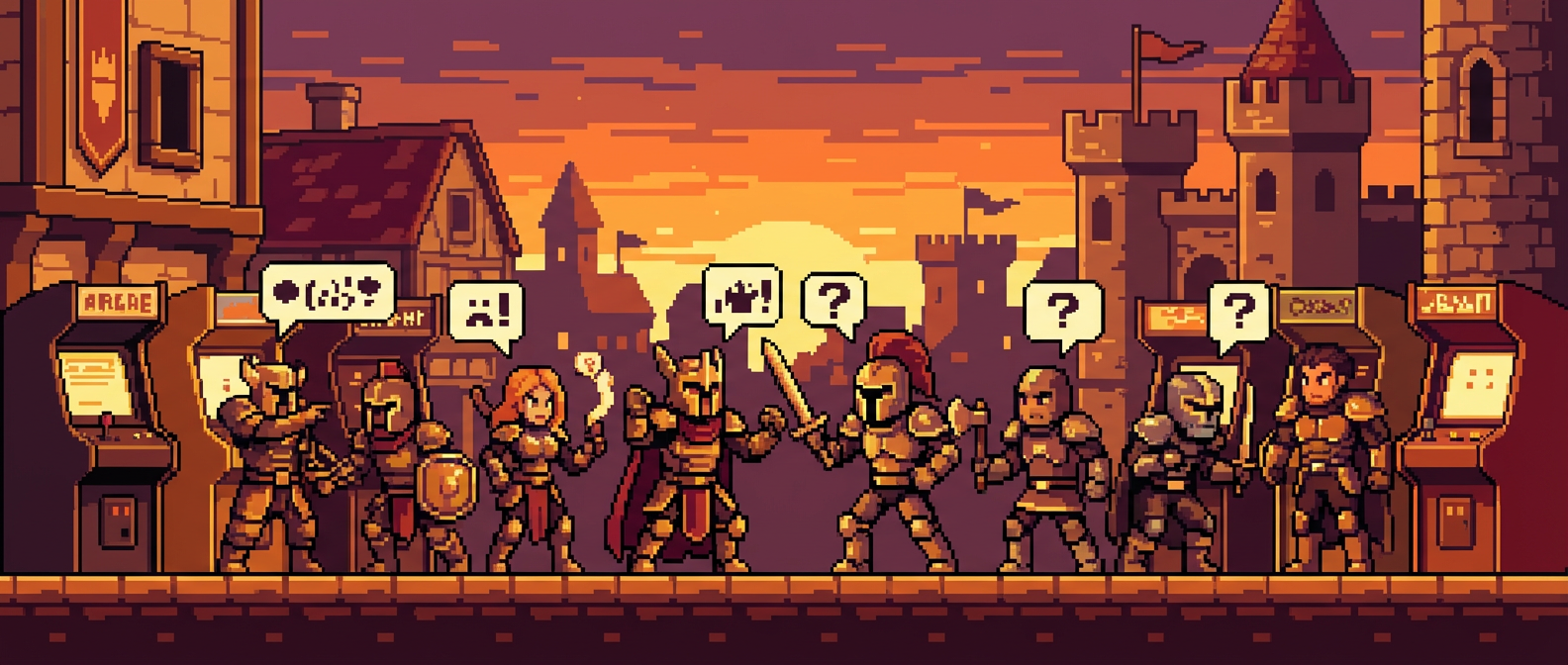
This investment creates a weird dynamic where drama becomes more than entertainment. It becomes existential. When a beloved streamer gets exposed for viewbotting, or a tournament organizer mishandles prize money, it threatens the legitimacy of the entire ecosystem that players have built their social lives around. The stakes feel real because they are real. That’s why gaming drama often explodes way beyond what seems rational to outsiders.
You need to understand this context if you want to navigate or make sense of gaming community controversies. The passion that drives someone to master frame data or optimize their MMO rotation is the same passion that fuels heated debates about competitive integrity, content creator accountability, and community standards. It’s not just drama for drama’s sake. It’s a community trying to define and protect what matters to them.
The Big Three: Competitive Integrity, Creator Accountability, and Corporate Overreach
Most gaming drama falls into three categories, each with predictable explosion patterns. Competitive integrity drama erupts when the fairness of competition comes into question. This includes cheating scandals, questionable tournament rulings, and debates over game balance. The FGC (Fighting Game Community) saw this with the EVO 2019 controversy surrounding certain setups allegedly providing unfair advantages, while the speedrunning community regularly wrestles with verification standards that can make or break world record claims.
Creator accountability drama centers on content creators, streamers, and influencers who have massive community influence but face questions about their behavior or business practices. These controversies range from relatively minor issues like sponsored content disclosure to serious allegations of harassment or fraud. The key factor here is the parasocial relationship between creators and their audiences, which makes fans feel personally betrayed when creators fail to meet community standards.
Corporate overreach drama happens when game companies make decisions that communities see as prioritizing profit over player experience. This includes aggressive monetization strategies, changes to beloved game mechanics, or censorship issues. The Blizzard-Activision controversy that dominated gaming discourse for months showed how corporate culture issues can become community-defining moments. These dramas often last longest because they touch on fundamental questions about who games are really made for.
Why Some Drama Matters and Some Doesn’t: The Consumer Impact Test
Not all gaming drama deserves your attention or emotional energy. The key question to ask is whether the controversy has actual consumer impact or if it’s just noise. Does this drama affect the games you play, the communities you participate in, or the money you spend? If a mid-tier streamer has beef with their moderators, that’s probably not worth your time unless you’re actively part of that community. If a major tournament series changes its rules in ways that could affect competitive integrity, that matters to anyone who follows that scene.
The most impactful dramas are those that reveal systemic issues rather than isolated incidents. When multiple female professionals in esports speak out about harassment, that points to cultural problems that affect the entire industry’s growth and inclusivity. When speedrunning communities have to rebuild their verification systems because of cheating, that impacts the credibility of an entire hobby. These are the controversies worth following because they drive real change.
Personal drama between individuals, unless it reveals broader patterns, typically burns hot and fast without lasting impact. The exception is when those individuals have enough influence to shape community standards or when their behavior reflects broader cultural issues within gaming. Learning to tell signal from noise saves you from drama fatigue while keeping you informed about issues that actually matter to your gaming experience.
The Real Cost: When Drama Kills Communities
The most tragic gaming dramas are those that fracture communities beyond repair. This happens when controversies become so toxic that community members can no longer coexist in shared spaces. The key warning signs include when discussion shifts from addressing specific issues to questioning the fundamental values or legitimacy of the community itself. Once people start arguing about whether the community should exist rather than how it should improve, recovery becomes almost impossible.
Successful communities develop immune systems against destructive drama through clear moderation policies, transparent decision-making processes, and cultural norms that prioritize community health over individual personalities. Communities that survive major controversies typically do so by focusing on actionable solutions rather than endless debate about blame or punishment. They ask “How do we prevent this from happening again?” rather than “Who can we blame for this?”
The communities that thrive long-term are those that treat drama as growing pains rather than existential threats. They use controversies as opportunities to clarify values, improve systems, and strengthen bonds between members who share common goals. This requires mature leadership and community members who care more about the health of the whole than about being right in any particular argument.
Staying Sane in the Chaos: A Practical Approach
Consuming gaming drama healthily means treating it like any other form of entertainment media: with clear boundaries and realistic expectations. Follow the issues that directly impact your gaming experience or communities you actively participate in. Ignore the rest unless you genuinely find it entertaining. Set time limits for how much drama content you consume, and prioritize primary sources over commentary when you need to understand what actually happened.
Most gaming drama follows predictable patterns and rarely requires immediate action from individual community members. The urgency is usually manufactured. Take time to understand the full context before forming opinions, especially on complex issues involving multiple parties or technical aspects you might not fully understand. The most reasonable take is often “I need more information” rather than picking a side immediately.
The goal isn’t to be perfectly informed about every controversy, but to be well-informed about the issues that matter to you while maintaining your enjoyment of gaming itself. Drama should enhance rather than replace your actual gaming experience. If following community controversies makes you enjoy games less or creates anxiety about participating in gaming communities, step back and reassess your media consumption habits.
What gaming controversies have shaped your experience as a player? Have you seen communities handle drama in ways that impressed or disappointed you? The comment section below is the perfect place to share your perspective on how gaming communities can better navigate the inevitable storms that come with passionate, invested players trying to protect what they love.