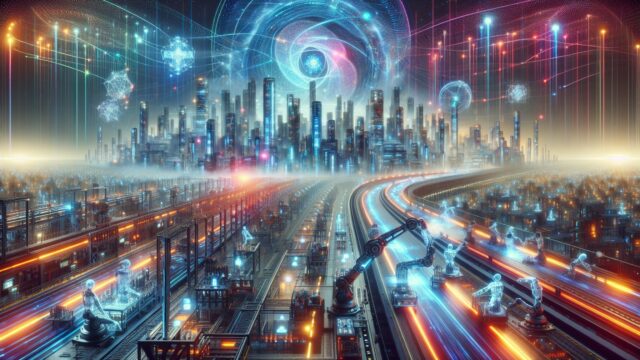
Hey tech tribe! Hope you’re strapped in, because today’s post is all about a topic I’m particularly jazzed about—Artificial Intelligence in the world of creative arts. If you’ve ever imagined robots painting, composing symphonies, or writing novels, well, tear down that mental note of an absurd sci-fi future because it’s here, and it’s getting really good!
The Rise and Rise of Creative AI
It wasn’t too long ago when AI was mostly brains without a heartbeat—calculators on steroids cracking numbers faster than I go through new TV series. Fast forward to today, and we’re watching AI actually create content instead of just crunching data. Plot twist: move over struggling artists, it’s the year of AI Picasso all over again. Well, let’s say PicassoV2, much lovelier and fewer existential crises.
How it All Began
It all started with programs like DeepDream by Google, which helped computers break down and recreate images in new and expressive ways. But where did this leap from processing to creativity come from, you ask? The answer lies in neural networks. Picture these bad boys as high-tech, artificial brains getting used by artists and computer engineers globally.
Companies like OpenAI (yes, those amazing humans behind ChatGPT series) have built AI-powered tools that churn out anything from expertly worded articles to visual art. Basically, we’re now in pioneer territory of what’s possible when machines and creativity mix, and folks, buckle up because the results have exceeded all expectations.
Implications: What Does It Mean for Us Humans?
Now, I’m wired to think about disruptors—what I mean here are game-changing shifts that shake things up in our lives. And creative AI is exactly that. How’s it going to impact good ol’ Joe Schmoe and his illustrations, you wonder? Well, unless Joe refuses to adapt and incorporate some of these new tools into his workflow, I think he’ll be just fine. But so will AI.
From Scriptwriter to Co-Creator
Let’s address the elephant in the room: unemployment fears that have been pretty heavy on some creative minds. While that’s our human tendency to worry—AI isn’t exactly showing up at Sundance picking up awards left and right just yet. Technology tends to be more elastic than we think.
What’s really changing is how AI now works alongside artists. I’m not kidding. There are studios where painters collaborate with AI to explore new color palettes, writers use it to break through creative blocks, and filmmakers experiment with AI-generated concepts for their scripts. It’s less about replacement and more about expansion. Think of it as having a really weird, sometimes brilliant creative partner who never sleeps and occasionally suggests something genius.
New Tool or Unfair Competitor?
Here’s where things get interesting. Some artists see AI as just another brush in their toolkit. Others worry it’s cheating, or worse, that it’ll make human creativity obsolete. I get both sides, honestly. There’s something unsettling about a machine creating something that moves you emotionally. But then again, we’ve been using tools to enhance our creativity since the first cave painter figured out how to make pigment stick to rock.
The Challenges We Need to Tackle
Let’s be real about the problems. Copyright issues are a mess right now. Who owns an AI-generated painting? The person who prompted it? The company that made the AI? The artists whose work trained the algorithm? Nobody has solid answers yet, and lawyers are having a field day.
Then there’s the authenticity question. Art has always been about human expression, right? So what happens when that expression gets filtered through machine learning? Some argue it’s still human because we’re directing it. Others say it loses something essential in translation. I’m honestly torn on this one.
And don’t get me started on the economic impact. If AI can generate commercial art in seconds, what happens to graphic designers, illustrators, and concept artists? Sure, new jobs might emerge, but that’s cold comfort if you’re trying to pay rent with your current skills.
The Future: Creativity and AI Working Together
Despite all the uncertainty, I think we’re heading toward collaboration rather than replacement. The most exciting work I’ve seen lately comes from humans and AI pushing each other in unexpected directions. Artists using AI to explore styles they never would have tried. Writers collaborating with AI to develop characters they couldn’t have imagined alone.
Will it change art forever? Absolutely. Will it replace human creativity? I doubt it. There’s something irreplaceably human about the stories we tell and the emotions we express. AI might help us tell those stories in new ways, but it can’t give us new things to say.
The next few years are going to be wild. We’ll probably see some amazing breakthroughs, some spectacular failures, and definitely more heated debates about what art means in an age of artificial creativity. One thing’s for sure though—it won’t be boring.